Soundproof Door Singapore: How to Reduce Noise at Home
Soundproof Door Singapore: How to Reduce Noise at Home
Living in Singapore means sharing space with neighbours, traffic and everyday activity. Even when your windows are closed, noise can still enter through the doors in your home.
For example, you may hear people talking along the HDB corridor, footsteps outside your bedroom or noise from the living room while you are trying to rest. In some homes, sounds from outside may also pass through balcony or patio doors.
If this sounds familiar, installing a soundproof door may be worth considering. However, choosing the right door involves more than looking at its design or material. The frame, seals, gaps and installation all affect how well it can reduce noise.
Why Does Noise Pass Through Doors?
A door creates a barrier between two spaces, but it may not block much sound if it has gaps or a poor seal.
One common problem is the gap beneath the door. Sound can pass through this opening, even when the door is fully closed. Small gaps around the sides and top of the frame can also affect sound insulation.
The door panel itself matters too. A lightweight door may offer less resistance to sound than a system designed for better noise control.
In Singapore homes, the source of the noise can vary. An HDB flat near a lift lobby may be affected by corridor noise, while a bedroom in a busy household may need better separation from sounds coming from other rooms.
Before choosing a soundproofing door, consider where the noise comes from and how it enters the room.
What Makes a Soundproof Door Effective?
A soundproof door is designed to reduce the amount of sound passing from one space to another. Its performance depends on several parts working together.
1. The Door Panel
The panel forms the main barrier against sound. Its material, thickness and construction can affect how much noise passes through it.
Some door systems use uPVC, while others use aluminium frames and different panel designs. The right choice depends on the location, size and purpose of the door.
Do not assume that a heavier door will always provide the best result. Ask about the performance of the complete door system rather than judging by appearance alone.
2. The Door Frame and Seals
Even a suitable door panel may not perform well if sound can pass through gaps around it.
Good seals help close the space between the door and its frame. The locking mechanism should also pull the door firmly into place where the design allows it.
When comparing a soundproof door in Singapore, ask how the sides, top and bottom are sealed. These details can make a real difference to the result.
3. The Gap at the Bottom
The space beneath a door is easy to overlook, but it can affect sound insulation.
Some homes have a gap to allow for floor finishes or normal door movement. However, a large opening can provide a path for noise to travel through.
A suitable frame and threshold design may help reduce this gap. The solution must still allow the door to open and close properly and suit the floor level of the home.
Which Type of Soundproofing Door Should You Choose?
Different homes need different door designs. The most suitable option depends on the available space, how often the door is used and the level of noise you want to reduce.
Swing Doors
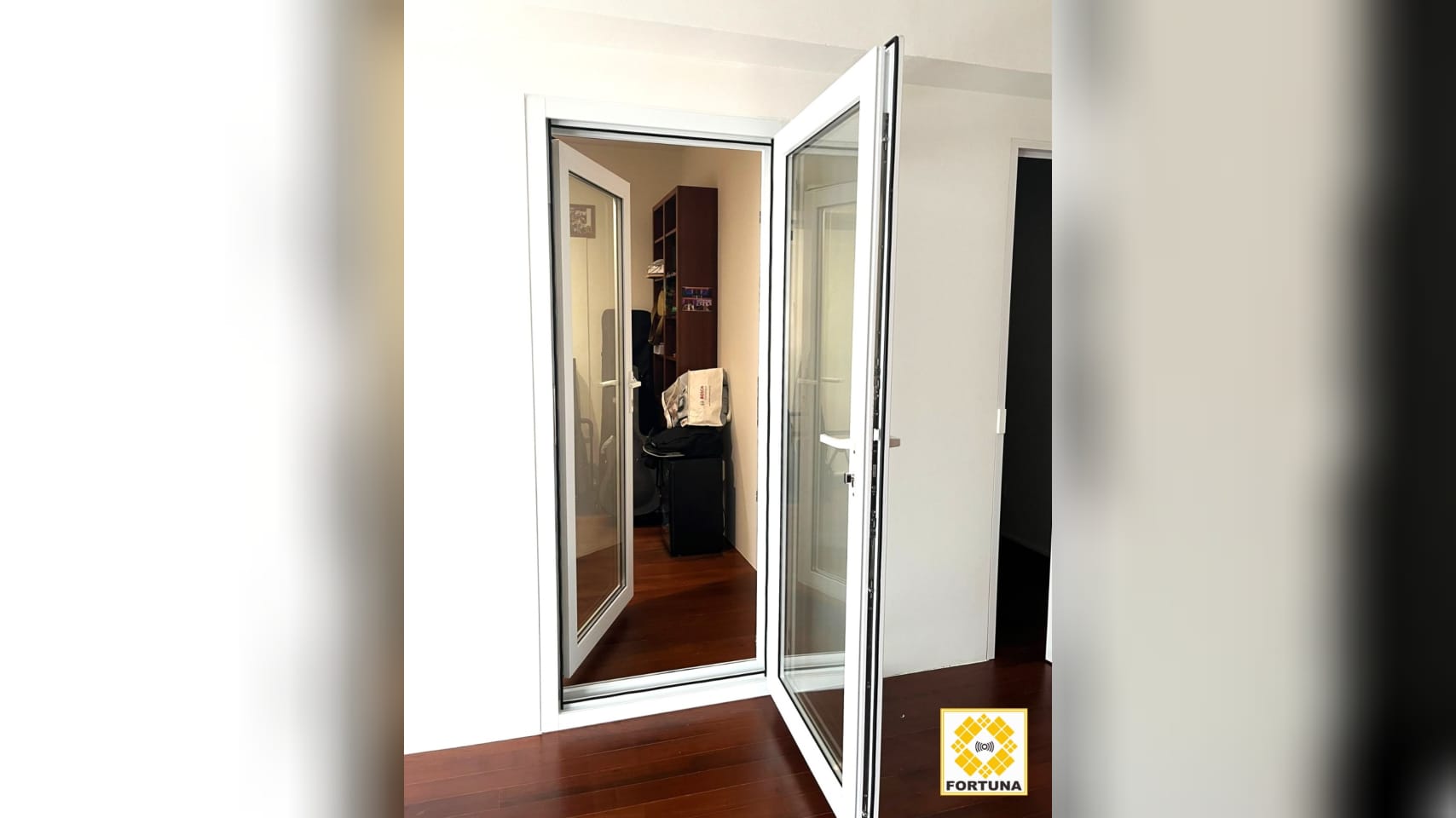
A swing door opens inwards or outwards on hinges. It may be suitable for bedrooms and other rooms where there is enough space for the door to move.
Depending on its design, a swing door can close firmly against its frame and seals. This makes the frame and sealing system important points to check when choosing one for noise reduction.
Sliding Doors
Sliding doors move along a track rather than swinging into the room. They can be useful for balconies and openings where space is limited.
However, sliding systems use a different sealing design from swing doors. Their ability to reduce noise depends on the panel construction, track, locking system and seals.
If you are considering a sliding soundproof door, ask about its sound insulation performance when fully closed.
Folding Doors
Folding doors consist of panels that fold to one side. They can create a wider opening when needed and may suit certain layouts.
As they have several panels and joints, the design and sealing details are important. Check whether the system is intended for noise reduction and whether its performance suits your needs.
Lift-and-Slide Doors
Lift-and-slide doors are designed to move along a track, with the panel lifting to move and lowering into position when closed.
They may be suitable for larger openings, depending on the layout and door system. As with other designs, the frame, seals and installation affect the final result.
Fortuna offers different door systems, including sliding, folding, lift-and-slide and single-door options. You can compare the available designs on its heavy-duty soundproof doors page.
Is a Soundproof Door Suitable for HDB Flats in Singapore?
A soundproofing door may help homeowners who hear unwanted noise through a doorway. For example, it may be worth considering when a bedroom faces a shared corridor or when noise travels between rooms.
However, not every noise problem comes from the door. If most of the sound enters through the windows, replacing the door alone may not make a noticeable difference.
HDB homeowners should also check the relevant requirements before replacing doors or making changes that may affect common areas or building features. The door must fit the space properly and remain safe and easy to use.
For condominiums, check the development’s renovation rules where applicable.
Soundproof Door vs Soundproof Windows: Which Do You Need?
Both doors and windows can allow sound to enter a home. The right place to start depends on where you hear the noise most clearly.
If traffic noise is loudest near a window facing a busy road, upgrading the window may be the more suitable first step.
If you hear conversations, footsteps or other sounds near a doorway, the door and its surrounding frame may need attention.
In some homes, both windows and doors contribute to the problem. Improving one area may help, but the result can be limited if sound still enters through another opening.
A proper assessment can help you identify the main source of the noise before deciding which system to install.
What to Check Before Buying a Soundproof Door
Before choosing a soundproof door in Singapore, take time to compare the details rather than focusing on price or appearance alone.
Here are a few useful questions to ask:
- What type of noise is the door designed to reduce?
- What material and panel construction does it use?
- How are the sides, top and bottom sealed?
- Is there any sound insulation test data for the complete door system?
- Will the door fit the existing opening and floor level?
- Is the design suitable for the way you use the room?
It is also worth discussing your noise concerns with the installer. Traffic noise, voices and sounds from neighbouring rooms may need different approaches.
Remember that soundproofing usually means reducing noise rather than blocking every sound completely. The final result depends on the door system, installation and other paths through which sound can travel.
Find the Right Soundproof Door in Singapore with Fortuna
Choosing the right door can help make your home more comfortable, especially when unwanted noise passes through an opening between spaces.
Fortuna Soundproof Windows offers a range of door systems for different home layouts, including uPVC and heavy-duty aluminium options. The available designs include swing, sliding, folding and lift-and-slide doors.
If you are considering soundproofing a door in Singapore, start by identifying the source of the noise and the type of opening you need. Then compare the door construction, seals and installation requirements to find a suitable option.
Visit Fortuna’s soundproof door page to explore the available designs, or contact Fortuna to discuss your requirements.