How to Choose Soundproof Windows for an HDB Flat in Singapore
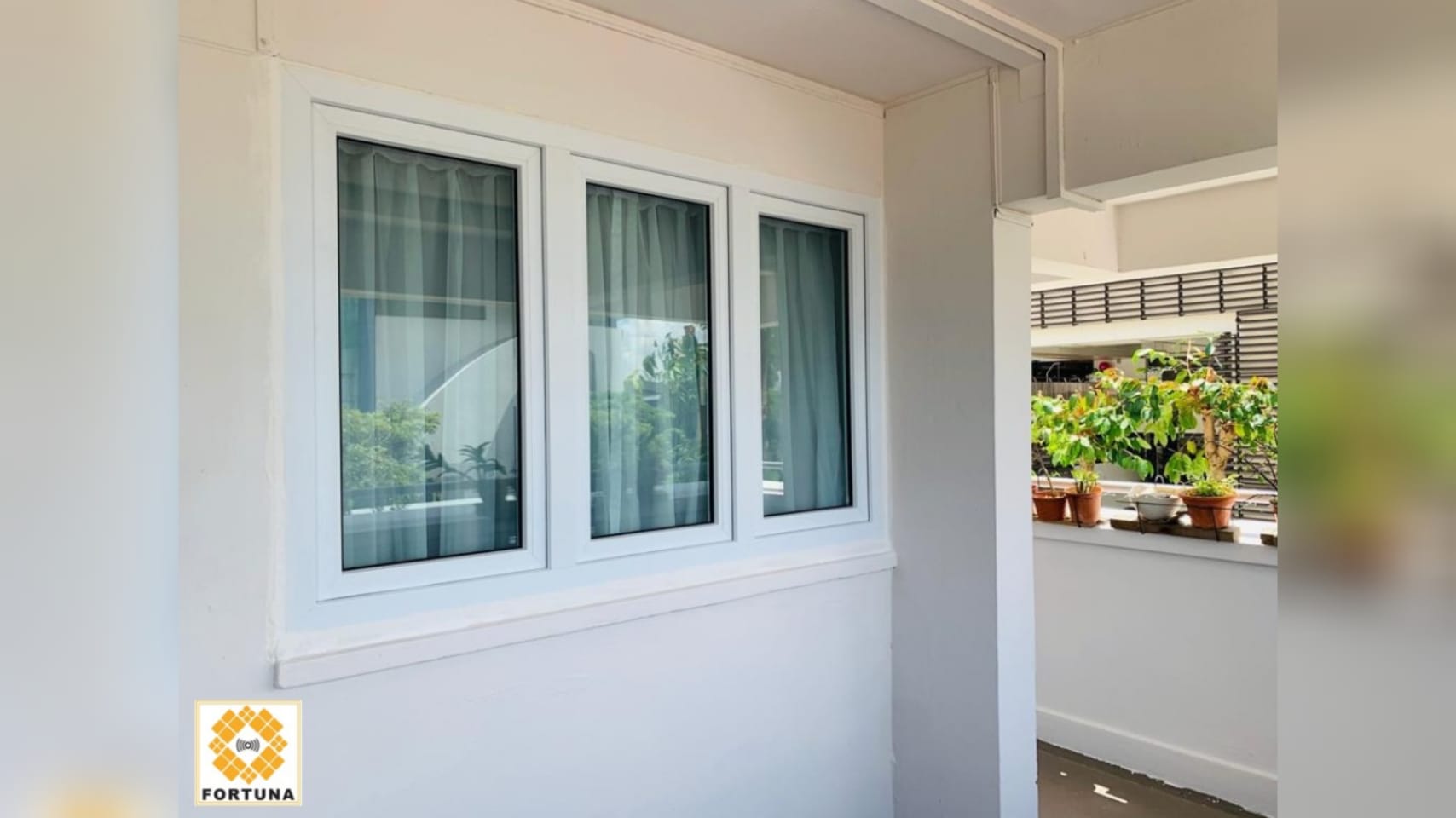
Living in an HDB flat offers convenience, but unwanted noise can sometimes make it difficult to enjoy the comfort of home. Traffic along busy roads, MRT trains passing nearby, construction work and everyday neighbourhood activities can all find their way indoors, especially when windows provide limited noise insulation.
Closing the windows may help, but it does not always make a noticeable difference. For homeowners who want a quieter living environment, upgrading to suitable soundproof windows can be a practical option.
However, not all window systems offer the same level of noise reduction. Before making a decision, it is worth understanding how the window frame, glass and overall installation affect the amount of sound entering your home.
Why Do Some HDB Flats Have More Noise Problems Than Others?
Noise levels can vary considerably between homes, even within the same neighbourhood. A flat facing a main road may experience continuous traffic noise, while another near a school or construction site may be affected by activity at particular times of the day.
The design of the building and the condition of the existing windows also play a part. Older windows may have worn seals, loose fittings or gaps around the frames. These openings can allow outside sound to enter more easily.
In some homes, the noise may also travel through walls, ceilings, ventilation openings or the main entrance door. This is why identifying the source of the noise is an important first step before investing in any soundproofing solution.
For homeowners who spend considerable time working or resting at home, reducing unwanted outdoor noise can make the living environment more comfortable.
How Do Soundproof Windows Reduce Outside Noise?
Soundproof windows are designed to reduce the amount of sound that passes through the window system. Their effectiveness depends on several factors rather than simply the thickness of the glass.
Three components deserve particular attention.
- The Window Frame
The frame holds the glass in place and helps create a barrier between the indoor and outdoor environments. A well-designed frame with multiple internal chambers can help limit sound transmission.
An uPVC window frame is one option worth considering. uPVC, or unplasticised polyvinyl chloride, is a rigid material commonly used for window and door systems. Its properties also make it suitable for Singapore’s warm and humid climate.
When comparing an uPVC window with other window systems, homeowners should look beyond the material alone. Frame design, sealing performance, hardware and installation quality all influence the final result.
- The Type of Glass
Glass plays a significant role in determining how much noise enters a room. A suitable glazing configuration can help reduce sound transmission, particularly when designed for the types of noise affecting the property.
Double glazed windows consist of two panes of glass separated by a space. This construction creates an additional barrier compared with a single pane, although the actual acoustic performance depends on the glass thickness, spacing, frame and seals.
Laminated glass is another option. It incorporates an interlayer between glass panes and can be selected for acoustic applications. The right specification depends on the noise source and the performance required.
It is therefore worth comparing the complete window system instead of assuming that any double-glazed window will provide the same level of sound insulation.
- Seals and Installation
Even a well-designed window may perform poorly if there are gaps around the frame or the window does not close tightly.
Effective sealing helps prevent sound from passing through small openings. The window should also fit properly, with suitable hardware that allows it to close securely.
This is one reason why choosing noise reduction windows involves more than selecting the glass alone. The frame, seals and installation must work together as a complete system.
Is a Double Glazed Window Enough for Noise Reduction?
Double glazing is often considered by homeowners looking for better sound insulation, but its performance varies between products.
The space between the glass panes can help reduce sound transmission. However, different types of noise behave differently, and some frequencies can be more difficult to manage than others.
For example, the low-frequency rumble of heavy vehicles may require a different glazing specification from higher-pitched neighbourhood sounds. The way the window opens and seals against its frame also affects performance.
When comparing double-glazed windows, consider asking about the following:
- The thickness and type of each glass pane
- Whether the glass configuration is designed for acoustic performance
- The construction and sealing of the window frame
- Available acoustic test results, including the test conditions
- Whether the stated performance applies to the glass alone or the complete window system
These details provide a more useful basis for comparison than the number of glass panes alone.
Why Consider an uPVC Window in Singapore?
Singapore’s climate presents two considerations for homeowners: outdoor noise and heat.
An uPVC window can help address both concerns when it is designed with suitable glazing and effective seals. The material itself does not guarantee a particular level of sound reduction, but a properly specified window system can provide useful acoustic and thermal insulation benefits.
uPVC frames are also resistant to corrosion, which is an advantage in a warm, humid environment. Routine cleaning and proper maintenance remain important to keep the window operating smoothly over time.
When evaluating an uPVC window, pay attention to the frame profile, the quality of the hardware, the glazing options and the manufacturer’s technical information.
Homeowners should also consider the available window styles. Casement and sliding systems operate differently, and their sealing arrangements can affect noise performance. The most suitable choice depends on the space, intended use and applicable installation requirements.
Do You Need a Soundproof Door as Well?
Windows are not always the only source of unwanted noise. In some homes, sound can enter through the main entrance door, balcony doors or doors connecting different areas of the property.
A soundproof door may be worth considering when the noise source is near the entrance or when sound passes between rooms. Its effectiveness depends on the door construction, perimeter seals, bottom gap and surrounding frame.
For instance, upgrading a bedroom window may not resolve noise coming through the bedroom door from a shared living area. Similarly, replacing the entrance door will have limited impact if most of the noise enters through windows facing a busy road.
The best approach is to identify the main paths through which sound travels before deciding which part of the home to upgrade.
Important Considerations Before Replacing HDB Windows
HDB flats are subject to specific requirements for window installation and replacement. Homeowners should check the applicable HDB requirements and obtain the necessary approvals before carrying out any work.
Do not assume that an existing window can simply be removed and replaced with a different system. The permitted window type, installation method and relevant safety requirements need to be considered.
It is also sensible to arrange an assessment before committing to a particular solution. A site assessment can help establish whether the main noise problem comes from the windows, doors or other parts of the building.
If the property is a condominium or landed home, check any relevant building management requirements, planning conditions and applicable safety regulations before proceeding.
Choosing the Right Soundproof Windows for Your Home
The right window solution depends on the noise you experience, the design of your property and your expectations for noise reduction.
Before making a decision, consider these questions:
- Where does the noise appear to enter the home?
- Is the noise continuous, intermittent or mainly noticeable at night?
- Would a different glazing configuration be more suitable?
- Does the window frame close tightly without visible gaps?
- Are acoustic performance figures available for the complete window system?
- What approvals or installation requirements apply to the property?
Taking the time to assess these factors can help you make a more informed decision and avoid spending money on an upgrade that does not address the main source of noise.
For homeowners looking for soundproof windows in Singapore, the priority should be a suitable combination of glass, frame, seals and professional installation. Rather than choosing a product based on one feature alone, compare the complete system and how it is intended to perform in your home.
Explore Soundproof Window and Door Solutions with Fortuna
Every property has different requirements, and the most suitable soundproofing solution depends on the source of the noise and the existing window or door arrangement.
Fortuna Soundproof Windows provides window and door solutions for residential properties, including uPVC window systems and different glazing configurations. Homeowners can explore the available options and discuss their requirements before deciding on an upgrade.
If outside noise is affecting your comfort at home, contact Fortuna to find out more about suitable soundproof window and door solutions for your property.
Learn more: Fortuna Soundproofing Solutions
Contact Fortuna Soundproof Windows to discuss your requirements and arrange a consultation.