Casement vs Sliding Windows: Which Is Better for Noise Reduction in Singapore?
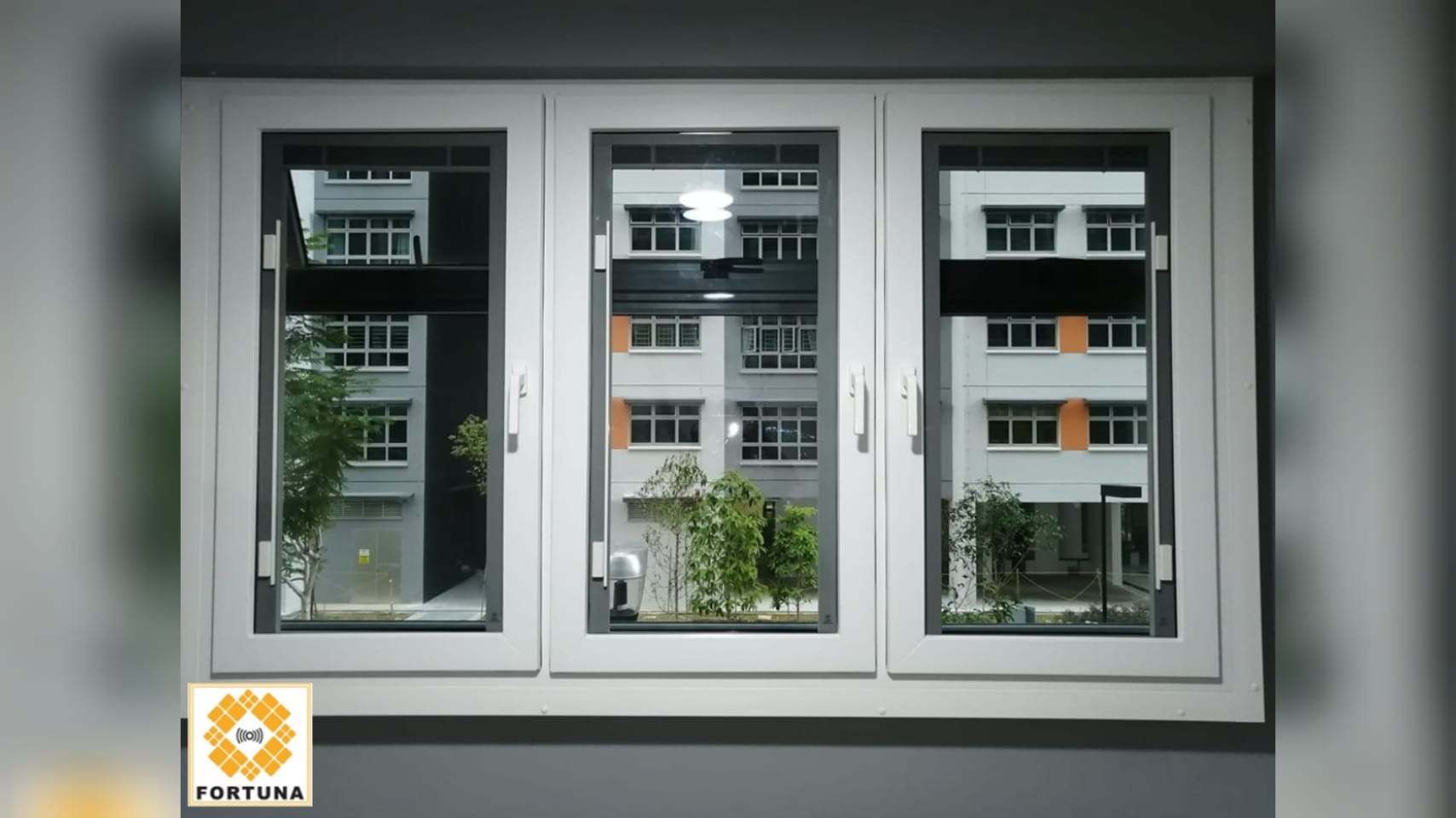
When choosing windows for a home, most people think about appearance, ventilation and how much space the windows will take up. But if your home faces a busy road, a school, an MRT line or a noisy neighbourhood, there is another factor worth considering: how well the windows can keep unwanted sound out.
Not all window designs perform in the same way. Even when two windows use similar glass, their opening mechanisms, frame construction and sealing arrangements can affect how much outside noise enters the room.
For homeowners in Singapore who are considering soundproof windows, understanding the differences between casement and sliding windows is a useful starting point. The right choice depends not only on the window design, but also on the type of noise you are trying to reduce.
Why Does Window Design Matter for Soundproofing?
A window is made up of more than just glass. The frame, seals, locking mechanism and way the panels close all contribute to its overall performance.
Sound can travel through the glass itself, but it can also pass through small gaps around the window. If the panels do not close tightly against the frame, even a window with good-quality glass may not provide the level of noise reduction you expect.
This is particularly relevant in Singapore, where homes may be exposed to traffic, construction, public transport and other everyday urban sounds.
When comparing window systems, it is therefore important to look at how the entire window is constructed rather than choosing based on the glass specification alone.
- Casement Windows: A Practical Choice for Noise Reduction
Casement windows are attached to hinges and open outwards or inwards, depending on the design. When closed, the panels can press against the frame and seals, creating a tight fit.
This closing mechanism is one reason casement windows are commonly considered for soundproofing applications.
Unlike many conventional sliding systems, casement windows can use compression seals around the perimeter. When the locking mechanism pulls the panel firmly against the frame, it helps minimise gaps through which sound may enter.
For homeowners looking for noise reduction windows, this design can be particularly useful when the main concern is outdoor noise entering through the window opening.
However, not every casement window offers the same performance. The frame profile, glass configuration, gasket quality and locking system all make a difference.
What should you consider?
Casement windows require sufficient clearance for the panels to open. This may affect their suitability for certain layouts, especially where outdoor space, furniture placement or other building features restrict the opening.
In Singapore, homeowners should also ensure that the proposed window design complies with the applicable building and safety requirements.
For properties where noise reduction is a priority, it is worth asking whether the proposed casement system has acoustic test results for the complete window assembly.
- Sliding Windows: Convenient, but Check the Sealing
Sliding windows are popular because they are easy to operate and do not require the same opening clearance as hinged windows. The panels move horizontally along tracks, making them convenient for many residential layouts.
They can be suitable for spaces where an outward-opening panel would be impractical. However, conventional sliding windows often rely on brush seals or other sealing arrangements that work differently from the compression seals used in many casement systems.
Depending on the design, the gaps around the panels and tracks may allow more sound to pass through than a well-sealed casement window.
This does not mean every sliding window performs poorly. Modern sliding systems vary considerably, and their acoustic performance depends on the frame design, seals, glass and installation.
If you prefer sliding windows, ask about the system’s tested noise-reduction performance rather than assuming that all sliding windows have the same limitations.
When are sliding windows worth considering?
Sliding windows can be a practical option where ease of operation and space efficiency are important. They may also suit particular room layouts or existing window configurations.
The key is to balance these practical considerations against your soundproofing requirements. If the home is exposed to substantial road or construction noise, compare the actual specifications of suitable sliding and casement systems before making a decision.
- Does uPVC Make a Difference to Window Performance?
The frame material is another factor to consider when choosing soundproof windows.
uPVC, or unplasticised polyvinyl chloride, is a rigid material widely used for residential window and door frames. It is resistant to corrosion and is suitable for Singapore’s humid environment when the system is properly designed and installed.
One feature of many uPVC window profiles is their multi-chamber construction. These internal chambers can contribute to thermal and acoustic insulation, although the results depend on the complete frame design and window assembly.
A well-designed uPVC window can be paired with different glazing configurations to suit the needs of the property.
For example, a homeowner living near a busy road may require a different glass specification from someone mainly concerned about voices from a common corridor. In both cases, the frame, glass and seals should be assessed together.
It is worth remembering that uPVC alone does not guarantee a particular level of sound reduction. When comparing products, look for technical specifications and acoustic test results instead of relying solely on the material name.
- Is Double Glazing Better for Noisy Homes?
Double glazed windows consist of two panes of glass separated by a sealed space. This creates an additional barrier between the outside environment and the room.
However, double glazing is not automatically more effective than every single-glazed or laminated-glass system for every type of noise.
The performance depends on the thickness of the glass panes, the width of the space between them, the frame construction and the quality of the seals. Glass panes with different thicknesses may also help address a wider range of sound frequencies.
For homeowners considering a double glazed window in Singapore, it is important to understand how the glazing works with the chosen opening system.
For instance, fitting double glazing into a window with poor seals will not necessarily solve the noise problem. The sound may still enter through gaps around the frame.
Likewise, a well-designed window needs to be installed properly to achieve its intended performance.
Rather than choosing double glazing based on the number of panes alone, ask for information about the acoustic performance of the complete window system.
- Which Window Style Is Suitable for Different Singapore Homes?
The most suitable window design depends on the property, the available space and the source of the noise.
HDB flats
Homeowners should consider the existing window arrangement, the direction the windows face and the applicable HDB requirements. Any replacement or alteration must comply with the relevant regulations and approval requirements.
Condominiums
The preferred window style may depend on the development’s façade design, management requirements and installation restrictions. These should be checked before selecting a replacement system.
Landed properties
There may be greater flexibility in choosing window styles, but the design still needs to account for weather exposure, security, ventilation and the noise conditions around the property.
Bedrooms facing busy roads
Where traffic noise is a concern, consider a window system with suitable acoustic glazing, effective perimeter seals and verified performance data. Casement windows may be worth comparing with sliding alternatives because of their closing and sealing mechanisms.
In every case, the best option is the one that meets the property’s practical requirements while providing suitable noise reduction.
- What About Soundproof Doors?
Windows are not always the only source of noise. Depending on the layout of the home, sound may also enter through the main entrance, balcony doors or other door openings.
A soundproof door can help reduce noise transmission when the door itself is a significant weak point. Its construction, frame, perimeter seals and bottom gap all affect its performance.
For example, a home facing a busy common corridor may benefit from looking at the entrance door as well as the windows. In contrast, a bedroom facing a major road may require greater attention to its exterior window system.
Replacing the windows without considering other openings may leave some noise problems unresolved.
The first step is to identify where the sound is entering and then select the appropriate window or door solution.
- Questions to Ask Before Buying Soundproof Windows
Before committing to a new window system, it helps to ask a few practical questions.
- Is the window designed primarily for noise reduction, or is sound insulation only an additional feature?
- What type of glass is used, and is acoustic performance documented?
- How does the window seal when fully closed?
- Are acoustic ratings available for the complete window assembly?
- Is the chosen opening style suitable for the property’s layout?
- Will the proposed installation meet the relevant HDB, building management and safety requirements?
These questions can help you compare products more meaningfully and avoid choosing a window based on appearance or a single specification alone.
It is also useful to explain the type of noise you experience. Continuous traffic noise, occasional construction work and voices from a corridor can present different challenges. This information helps a window specialist assess which configuration may be suitable.
Find the Right Soundproof Window Solution for Your Home
Choosing a window for a quieter home involves more than deciding between casement and sliding designs. The frame material, glazing configuration, seals and installation all contribute to the final result.
For homeowners in Singapore, a properly specified uPVC window system with suitable glazing may be worth considering when upgrading for noise reduction. Double glazing is another option, but its effectiveness depends on how the complete window is designed.
If you are also experiencing noise through a doorway, a suitable soundproof door may be part of the solution.
Fortuna Window offers soundproof window and door systems for residential properties. To explore the available options, visit Fortuna’s Soundproofing Solutions and Material Profile pages.
If you are unsure which window style is suitable for your property, discuss your requirements with Fortuna before deciding on an upgrade. The right choice should take into account your noise concerns, the layout of your home and the performance of the complete window system.