Why Can You Still Hear Outside Noise with Your Windows Closed?
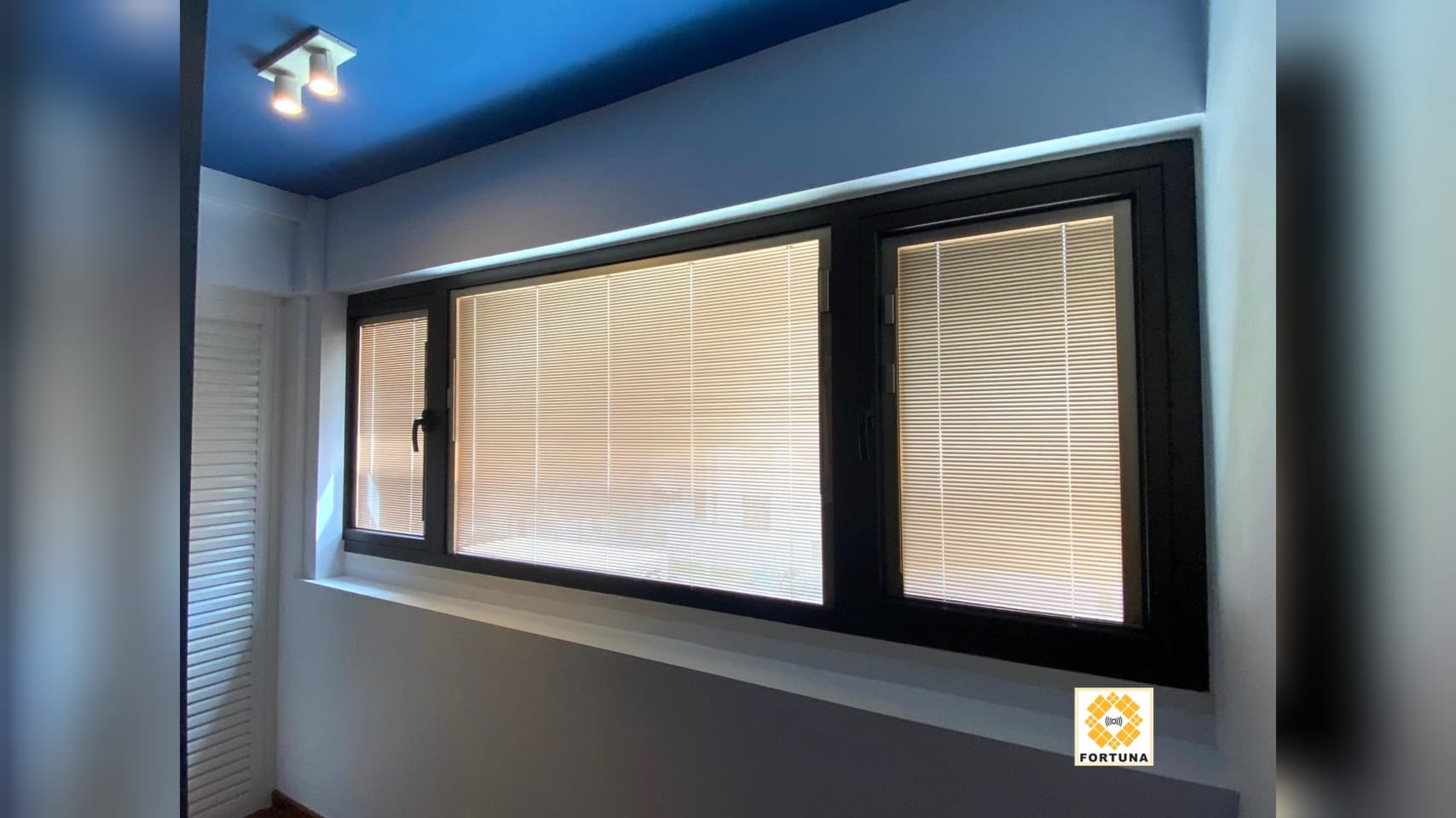
Closing the windows is usually the first thing people do when outside noise becomes a problem at home. Yet, even with every window shut, the sound of passing vehicles, MRT trains, construction work or people talking downstairs may still be clearly audible.
This is a common concern for homeowners in Singapore, where residential buildings are often located close to busy roads, commercial areas and ongoing developments. For those living in HDB flats or condominiums, unwanted noise can be particularly noticeable during rest, work or quiet evenings at home.
The problem is not always the amount of noise outside. In many cases, the condition of the windows, the way they seal against their frames and other openings in the home can affect how much sound gets indoors.
Before spending money on a soundproofing upgrade, it helps to understand where the noise may be coming from and which improvements are worth considering.
- Small Gaps Around Windows Can Let Noise In
One of the first things to check is whether the existing windows close properly. Even when a window appears shut, worn rubber seals, loose fittings or small gaps around the frame can provide a path for sound to enter.
Over time, window seals may deteriorate, particularly when exposed to Singapore’s heat, humidity and frequent use. Older windows may also become less effective at closing tightly.
These issues can affect more than just sound insulation. Gaps may also allow dust and outdoor air to enter the home.
If the noise seems noticeably louder near the edges of a window, it may be worth checking the seals and frame alignment before considering a complete replacement.
However, not all noise problems are caused by gaps. Sound can also travel directly through the glass and frame, even when the window is properly closed. In such cases, repairing the seals alone may not provide the improvement you need.
- Single-Pane Glass May Offer Limited Noise Insulation
The type of glass used in a window can make a difference to its acoustic performance.
Many homeowners assume that thicker glass will automatically solve their noise problems. While glass thickness matters, the overall result also depends on the type of glass, the frequency of the noise and the construction of the complete window system.
For homes facing major roads or other noisy surroundings, upgrading to a suitable noise reduction window may be worth considering.
Depending on the requirements, options can include acoustic laminated glass or double-glazed windows. Each has different characteristics, so the appropriate choice depends on the conditions at the property.
How can double glazing help?
Double glazed windows use two panes of glass separated by an air or gas-filled space. This construction creates an additional barrier between the outdoor and indoor environments.
However, double glazing is not automatically the best solution for every noise problem. The distance between the panes, the thickness of each pane, the frame design and the quality of the seals all influence acoustic performance.
For example, a double-glazed unit with two identical panes may perform differently from one using panes of different thicknesses. The most suitable configuration depends on the type of noise that needs to be reduced.
When comparing products, ask for acoustic performance information for the complete window system rather than relying solely on the term “double glazed”.
- The Window Frame Matters More Than You Might Expect
Glass often receives the most attention when homeowners look for soundproof windows, but the frame is equally important to the overall design.
A window consists of several components that must work together. These include the glass, frame, opening mechanism, seals and hardware. If one part performs poorly, it may affect the performance of the entire window.
An uPVC window is one option for homeowners considering a replacement. uPVC, which stands for unplasticised polyvinyl chloride, is commonly used in residential window systems because it is resistant to corrosion and suitable for Singapore’s humid climate.
Depending on its design, an uPVC frame can incorporate multiple chambers and effective sealing arrangements. When combined with suitable glazing, these features can contribute to better sound insulation.
Nevertheless, choosing an uPVC window does not guarantee that a home will become completely quiet. The glazing specification, frame construction and installation quality must all be considered.
Homeowners should compare the actual specifications of different window systems rather than choosing based on the frame material alone.
- Noise May Be Entering Through the Main Door
If the windows are in good condition but outside noise remains noticeable, the main entrance door may be another area worth investigating.
In Singapore, some homes face common corridors, lifts, staircases or shared access areas. Conversations, footsteps, doors closing and other everyday sounds can travel through the entrance area.
A standard door may provide limited sound insulation if it has gaps around its edges, an open space beneath it or an unsuitable frame and sealing arrangement.
A properly specified soundproof door can help reduce the transmission of noise through the doorway. Its effectiveness depends on the door’s construction, perimeter seals, threshold and installation.
For instance, a bedroom that faces a busy common corridor may benefit from improvements to its door, while a living room facing a main road may require more attention to the windows.
It is important to identify the main source of the noise before deciding which product to install. Replacing the door will have limited impact if most of the sound is entering through the windows.
- Sound Can Travel Through Other Parts of the Building
Windows and doors are common areas to investigate, but they are not the only possible paths for noise.
Depending on the property, sound may also travel through walls, ceilings, ventilation openings and other parts of the building structure. In some cases, vibrations from traffic or building equipment may contribute to the noise experienced indoors.
This can make soundproofing more challenging because improving one part of the home may not address the entire problem.
A simple way to start is to pay attention to where the sound is most noticeable. Is it louder beside the windows, near the entrance door or throughout the room? Does it occur mainly when vehicles pass, or can it be heard even when outdoor activity is minimal?
These observations can help narrow down the possible causes.
If the noise appears to travel through the building structure rather than through a window or door opening, a broader acoustic assessment may be needed before selecting a solution.
- What Type of Window Is Suitable for Singapore Homes?
There is no single window system that is suitable for every property. The right choice depends on the existing installation, the source of the noise and the level of improvement required.
When comparing soundproof windows, homeowners should look at the following factors.
Glass configuration
Consider whether the property would benefit from acoustic laminated glass, double glazing or another suitable glazing arrangement. The choice should be based on the type of noise and the available performance data.
Frame and sealing design
The frame should be properly constructed, and the seals should provide a close fit when the window is shut. The opening style and hardware can also influence how tightly the window closes.
Acoustic performance
Ask whether tested acoustic ratings are available. A rating such as the Sound Transmission Class (STC) or Weighted Sound Reduction Index (Rw) can help with comparisons, although the testing method and rating should be understood before comparing products.
Installation quality
A well-designed window can still underperform if it is installed poorly. Gaps around the frame and inadequate sealing can undermine the intended acoustic benefits.
Suitability for the property
For HDB flats, homeowners should check the applicable HDB requirements before replacing or altering windows. Condominium owners should also check the relevant management requirements.
Taking these factors into account makes it easier to compare products based on their suitability rather than marketing claims alone.
- Can New Windows Completely Block Outside Noise?
One of the most important things to understand is that soundproofing usually means reducing noise, not eliminating every sound.
The result depends on the existing building, the type of noise, the window or door specification and the other paths through which sound may travel.
For example, a window upgrade may noticeably reduce certain outdoor sounds but have less effect on low-frequency traffic rumble or vibrations transmitted through the building structure.
This is why it is worth discussing the actual noise problem with a window specialist before deciding on a particular system.
Rather than choosing a product based on a general promise of soundproofing, look for a solution that addresses the noise source and offers suitable performance information.
Make Your Home Quieter with the Right Window and Door Solution
A quieter home begins with understanding how unwanted sound enters the property. For some homeowners, the solution may involve improving existing window seals. For others, replacing an unsuitable window with a properly specified soundproof window system may be more appropriate.
Double glazing, acoustic glass and uPVC window systems are all options worth exploring, depending on the requirements of the property. Where noise enters through the entrance, a suitable soundproof door may also help.
Fortuna Window offers soundproofing solutions for homeowners looking to improve their indoor comfort. If outside noise is affecting your home, explore the available options and discuss your requirements before deciding on an upgrade.
Visit our Soundproofing Solutions page to learn more about our window and door solutions.
Choosing the right system is not simply about installing thicker glass or replacing an old frame. It is about identifying the source of the noise and selecting a window or door solution designed to address it.