uPVC Window in Singapore: Benefits, Maintenance and What Homeowners Should Know
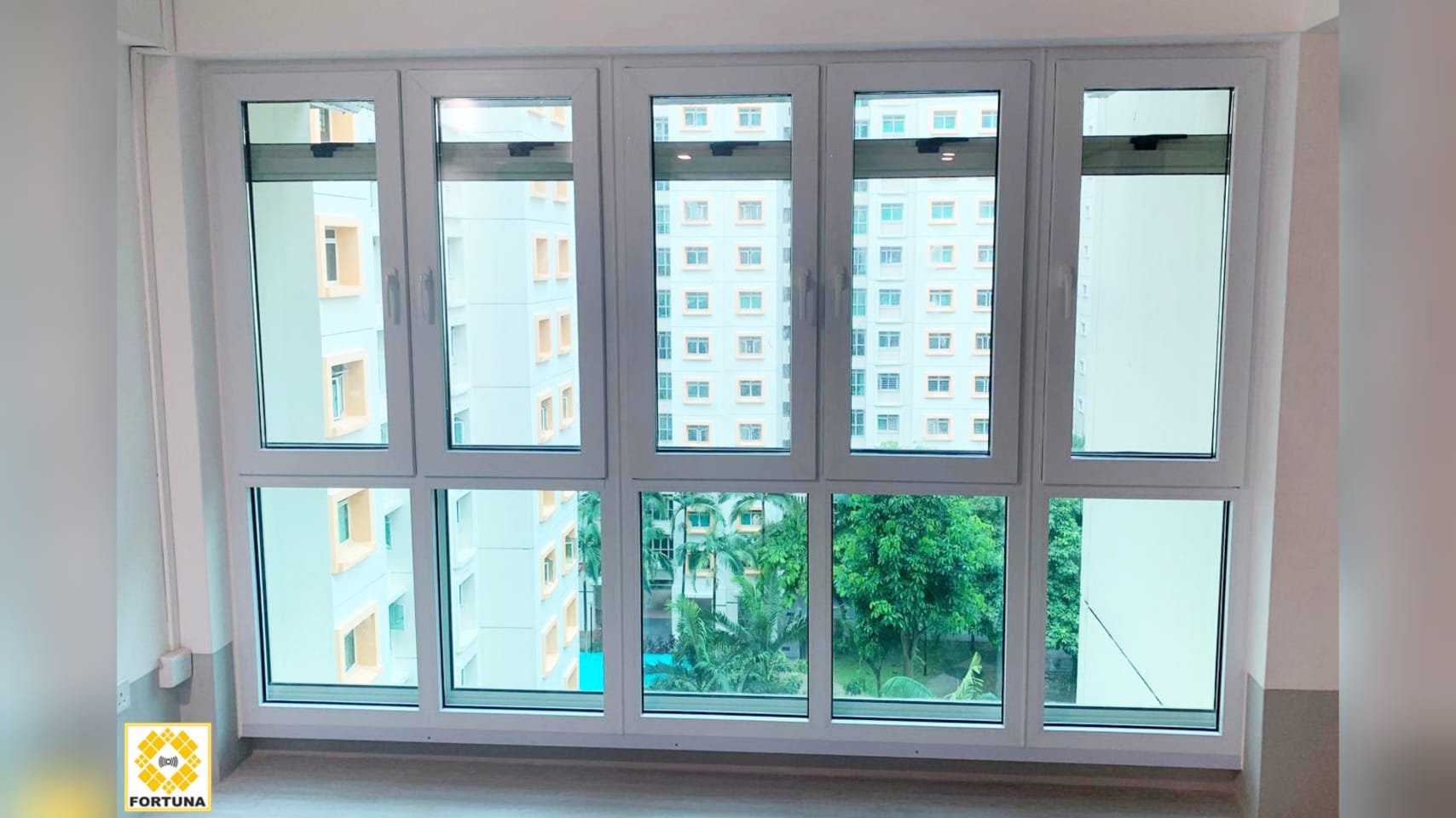
uPVC Window in Singapore: Benefits, Maintenance and What Homeowners Should Know
When choosing new windows for your home, it is important to consider more than just appearance. The window frame, glass and seals can affect indoor comfort, outside noise and how much maintenance is needed over time.
uPVC windows are one option for homeowners in Singapore. They are known for their low maintenance needs and ability to help reduce heat and noise when used in a well-designed window system.
But what exactly is uPVC, and is it suitable for your home? Here are some key points to consider before choosing uPVC windows.
What Is a uPVC Window?
uPVC stands for unplasticised polyvinyl chloride. It is a rigid material used to make window and door frames.
Unlike some other frame materials, uPVC does not rust or need regular painting. It is also suitable for Singapore’s hot and humid weather when the window system is properly designed and installed.
uPVC windows are available in different styles, including casement, sliding and top-hung designs. The right style depends on your room layout, ventilation needs and noise concerns.
When comparing windows, remember that the frame is only one part of the system. The glass, seals, locks and installation also affect how well the window performs.
1. What Are the Benefits of uPVC Windows?
uPVC windows offer several benefits for homeowners. These include easy cleaning, resistance to corrosion and the potential to improve indoor comfort.
Easy to Clean and Maintain
One of the main benefits of uPVC windows is that they are easy to care for. The frames do not need regular painting, and everyday dirt can usually be removed with a soft cloth and mild soapy water.
This makes them a practical choice for homeowners who want windows that are simple to maintain.
However, easy maintenance does not mean no maintenance. Window seals, hinges, locks and other moving parts still need regular checks to keep the windows working properly.
Suitable for Singapore’s Climate
Singapore has a hot and humid climate, with frequent rain throughout the year. Window frames need to cope with these conditions.
uPVC does not rust like metal, making it suitable for use in humid environments. A well-made window system can also help reduce unwanted air movement around the frame.
The quality of the frame, seals and installation remains important. Homeowners should choose a system designed for local weather conditions.
Helps Reduce Heat and Noise
Windows can affect how much heat and outside noise enters a home. uPVC frames have low heat conductivity, which means they do not transfer heat as easily as some other materials.
Some uPVC window systems also use multi-chamber frames. These internal sections can help improve insulation, depending on the design.
For noise reduction, the frame needs to work with the right glass and seals. A well-fitted window may help reduce traffic noise, construction sounds and other outdoor disturbances.
However, uPVC alone does not guarantee that a window will block all noise. The complete window system should be assessed based on your needs.
2. How Do uPVC Windows Help With Noise Reduction?
Outside noise can enter a home through glass, gaps around the frame and other openings. This is why choosing the right window system matters, especially if your home faces a busy road or a noisy neighbourhood.
uPVC frames can be used with different glass options to meet different needs. The type and thickness of the glass, the space between glass panes and the quality of the seals can all affect sound insulation.
For example, a home near an MRT line may need a different window setup from one where the main concern is voices from a common corridor.
Does Every uPVC Window Reduce Noise Equally?
No. Different uPVC window systems can offer different levels of noise reduction.
The opening style also matters. Casement windows often press against their seals when closed, while sliding windows move along tracks. Depending on the design, these systems may have different levels of sealing.
If noise is a major concern, ask about the acoustic performance of the complete window system. Do not choose a product based on the frame material alone.
You can explore Fortuna Window’s Soundproofing Solutions to learn more about window options for reducing outside noise.
3. What Types of uPVC Windows Are Available?
The best window style depends on the space available and how you want to use the room.
Casement Windows
Casement windows open inwards or outwards using hinges. When closed, the panels can press against the frame seals to create a tight fit.
This design may suit homeowners who place a high priority on noise reduction. However, enough space must be available for the panels to open.
Sliding Windows
Sliding windows open by moving horizontally along tracks. They do not need extra space for the panels to swing open, making them useful for many room layouts.
Their noise reduction performance depends on the frame design, glass and seals. If sound insulation is important, compare the specifications of different sliding systems before making a choice.
Top-Hung Windows
Top-hung windows are hinged at the top and open from the bottom. They are often used in areas where ventilation is needed.
The suitable design depends on the room, the required airflow and the window’s intended use.
Before choosing a style, consider how the window will open, how often it will be used and whether it meets your noise reduction needs.
4. Should You Choose Double Glazed uPVC Windows?
Double glazed windows use two panes of glass with a sealed space between them. This design creates an extra barrier between the indoor and outdoor environment.
When paired with a suitable frame and good seals, double glazing can help improve insulation and reduce outside noise. However, its performance depends on the glass thickness, the space between the panes and the design of the complete window.
Not every double glazed window offers the same results. The way the window closes and how well it is installed also matter.
If you are considering double glazed windows in Singapore, ask the supplier about the available glass options and the tested performance of the complete system.
You can also visit Fortuna Window’s Material Profile page to learn more about uPVC frames and glazing options.
5. How Do You Maintain uPVC Windows?
Although uPVC windows are easy to maintain, regular care is still needed to keep them in good condition.
Clean the Frames and Glass
Use a soft cloth, water and mild soap to remove dust and dirt from the frames. Avoid harsh cleaning products or rough tools that may damage the surface.
Clean the glass with a suitable glass cleaner and wipe away any marks.
Check the Seals and Locks
Inspect the seals around the window for signs of wear or damage. Check that the locks and handles work properly and that the panels close as they should.
Damaged seals may affect how well the window keeps out rain, air and noise. Arrange for repairs if you notice a problem.
Keep Moving Parts in Good Condition
Hinges, tracks and other moving parts need attention from time to time. Sliding window tracks should be kept clear of dust and dirt so the panels can move smoothly.
For safety, homeowners should check their windows regularly. The Building and Construction Authority (BCA) advises checking and maintaining windows at least once every six months. If you notice loose parts or damage, contact a suitable window contractor.
You can find more guidance on the BCA’s window safety and maintenance page.
6. What Should You Consider Before Buying uPVC Windows in Singapore?
Before choosing a uPVC window, think about your home’s layout, the amount of outside noise and your budget.
Here are a few points to discuss with your window supplier:
- Window style: Decide whether casement, sliding or another design suits your room.
- Glass options: Ask which glass types are available and how they affect noise and heat insulation.
- Sealing: Check how the window closes and how the seals help prevent gaps.
- Maintenance: Understand how to clean the windows and care for the moving parts.
- Installation: Confirm that the proposed work meets the relevant building, safety and approval requirements.
- Warranty: Check what the warranty covers and how long the coverage lasts.
It is also helpful to explain your main concern before asking for a recommendation. For example, you may want to reduce traffic noise, keep rooms more comfortable or replace old windows that are difficult to maintain.
This information can help the supplier suggest a window system that suits your home.
Are uPVC Windows a Good Choice for Your Home?
uPVC windows are worth considering if you want frames that are easy to maintain and do not rust. When combined with suitable glass, good seals and proper installation, they may also help reduce heat and outside noise.
However, the best choice depends on the complete window system, not just the frame material. Consider the opening style, glass options, noise conditions and requirements of your property before making a decision.
Fortuna Window offers uPVC soundproof window and door systems for residential properties in Singapore. To explore the available options, visit the Soundproofing Solutions and Material Profile pages.
If you are unsure which option is right for your home, discuss your needs with Fortuna Window before deciding on an upgrade.