How to Choose a Soundproof Door for Home Offices and Study Rooms
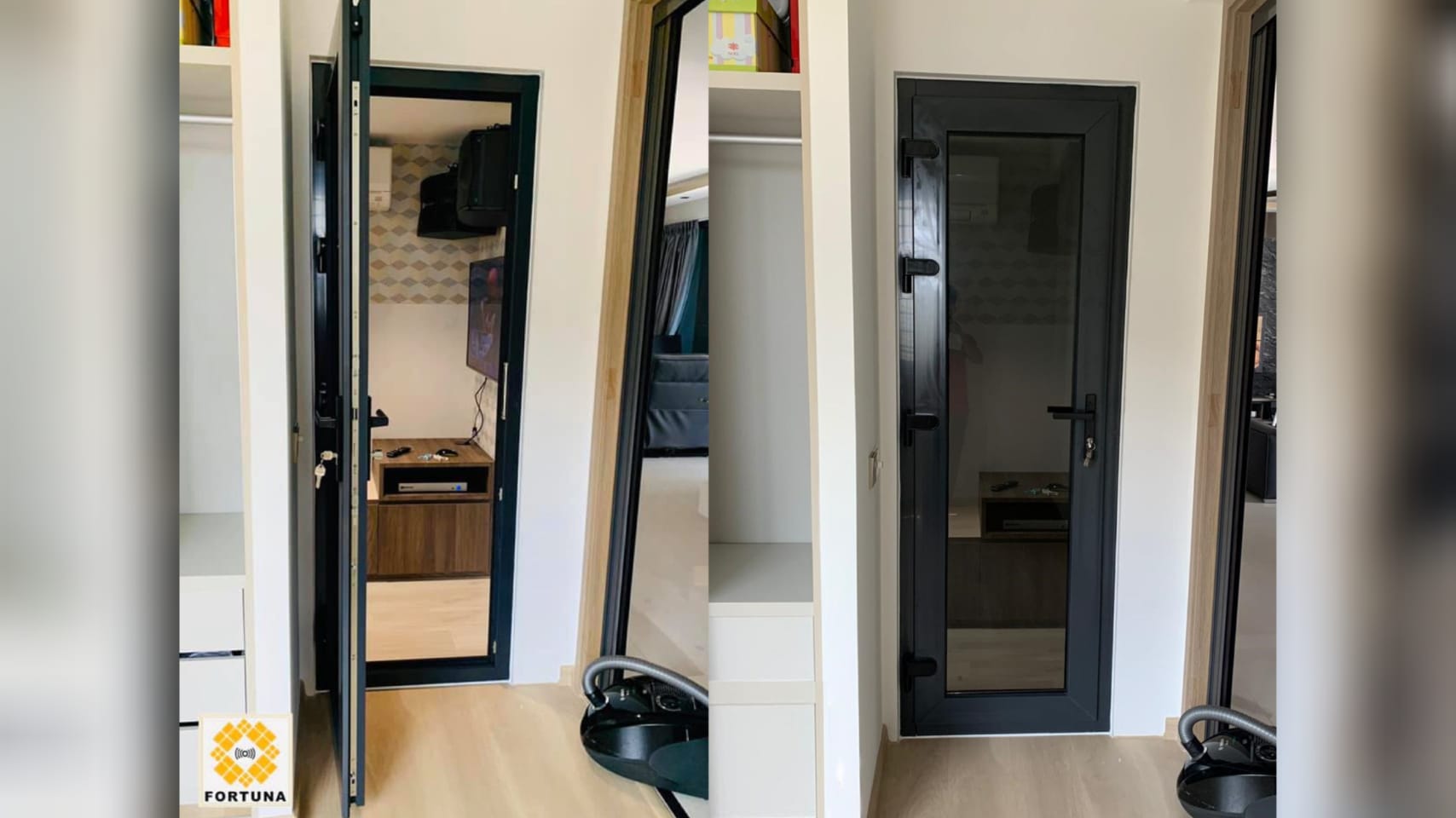
How to Choose a Soundproof Door for Home Offices and Study Rooms
Working or studying at home can be challenging when noise from other parts of the house keeps interrupting you. Conversations from the living room, television sounds or everyday household activities can make it difficult to concentrate, especially when you need a quiet space for work or online meetings.
A soundproof door can help reduce noise travelling between rooms, but not every door offers the same level of sound insulation. The door panel, frame, seals and installation all play a part. Before choosing a new door, it is worth understanding what to look for and which features matter most.
What Makes a Soundproof Door Effective?
A door needs to do more than close off a room. If sound can pass through gaps around the frame or beneath the door, even a well-built panel may not provide the result you expect.
Here are three important areas to consider when choosing a soundproof door for your home.
1. The Door Panel and Material
The door panel forms the main barrier between two spaces. Its construction, thickness and material can affect how much sound passes through.
However, choosing a door based on material alone is not enough. A suitable soundproof door should be considered as a complete system, including its frame, seals and how securely it closes.
For homeowners comparing uPVC and aluminium door options, it is worth asking about the specifications and sound insulation performance of each system rather than relying on appearance alone.
2. Gaps Around the Door Frame
Small gaps around the sides and top of a door can allow noise to travel from one room to another. This is particularly relevant for bedrooms and home offices where a quieter environment is preferred.
Properly fitted seals help close these openings when the door is shut. The frame must also be installed correctly so that the door closes securely without leaving unnecessary gaps.
When comparing soundproof doors, ask how the complete frame and sealing system is designed to reduce sound transmission.
3. The Gap Beneath the Door
The space between the bottom of a door and the floor is easy to overlook. However, sound can travel through this opening, even when the door is fully closed.
The floor level, door frame and threshold design should therefore be considered together. The aim is to reduce unwanted gaps while ensuring the door can still open and close properly.
For this reason, it is helpful to discuss the existing floor and doorway measurements before deciding on a replacement soundproof door.
Which Soundproof Door Is Suitable for Your Home?
The best door design depends on the room layout, available space and how you intend to use it.
Swing doors are commonly used for bedrooms and enclosed rooms. They may be suitable when there is enough space for the door to open, and their noise reduction performance depends on the panel, frame and sealing arrangement.
Sliding doors are useful where space is limited or a wider opening is needed. However, the track and sealing design should be checked carefully if sound insulation is a priority.
Folding doors allow an opening to be widened when the panels are folded aside. As these systems have multiple panels and joints, their construction and sealing details are important when considering noise reduction.
Lift-and-slide doors may suit larger openings, depending on the layout and the selected system. Their performance also depends on the glass or panel specification, frame, seals and installation.
Rather than choosing a door based on its style alone, consider whether the complete system is suitable for your noise concerns and intended use.
Is a Soundproof Door Worth Installing?
A soundproof door may be worth considering if you regularly hear conversations, television sounds or other indoor noise coming through a doorway. It can be particularly useful when you want to separate a study area or bedroom from the rest of the home.
However, a new door will not solve every noise problem. If most of the unwanted sound enters through the windows, walls or other parts of the building, replacing the door alone may have limited impact.
The first step is to identify where the noise is coming from. This helps you decide whether the door is the main area that needs attention or whether other soundproofing improvements should also be considered.
Choosing a Soundproof Door in Singapore
For homeowners looking for a soundproof door in Singapore, it is important to consider the property’s layout, the type of noise and the way the room is used.
Before making a decision, ask about the door system’s construction, perimeter seals, threshold design and available sound insulation test data. These details provide a better basis for comparison than price or appearance alone.
It is also important to have the door measured and installed correctly. Even a suitable product may not perform as expected if gaps remain around the frame or the door does not close properly.
Remember that soundproofing is generally about reducing noise rather than eliminating every sound completely. The result depends on the door system, installation quality and other paths through which sound can travel.
Explore Soundproof Door Solutions from Fortuna
Choosing the right soundproof door starts with understanding your noise concerns and finding a system that suits your home.
Fortuna Window offers different door systems for residential spaces, including uPVC and heavy-duty aluminium options. Available designs include swing, sliding, folding and lift-and-slide doors.
Visit our heavy-duty soundproof doors page to explore the available designs, or contact Fortuna to discuss your requirements.
With the right door system and proper installation, you can take a practical step towards reducing unwanted noise and making your home more comfortable.