Three Window Problems Singapore Homeowners Should Catch Early
THREE Window Problems Singapore Homeowners Should Catch Early
Do you know there were 35 cases of fallen windows recorded in Singapore in year 2023?
Since 2004, BCA has issued retrofitting orders requiring home owners to replace aluminium rivets in casement windows with stainless steel ones.
Home owners can be fined up to $5,000, jailed for up to six months, or both, for failing to replace all aluminium rivets in casement windows with stainless steel ones. If a window falls because of lack of maintenance, home owners can be fined up to $10,000, jailed for up to one year, or both.
Since 2006, 406 people have been fined and 94 people prosecuted over fallen windows. Exterior Windows may seem like a small part of the home, but they protect you from rain, heat, humidity and frequent use every day. Over time, even a well-installed window system can develop loose parts, damaged seals due to wear and tear.
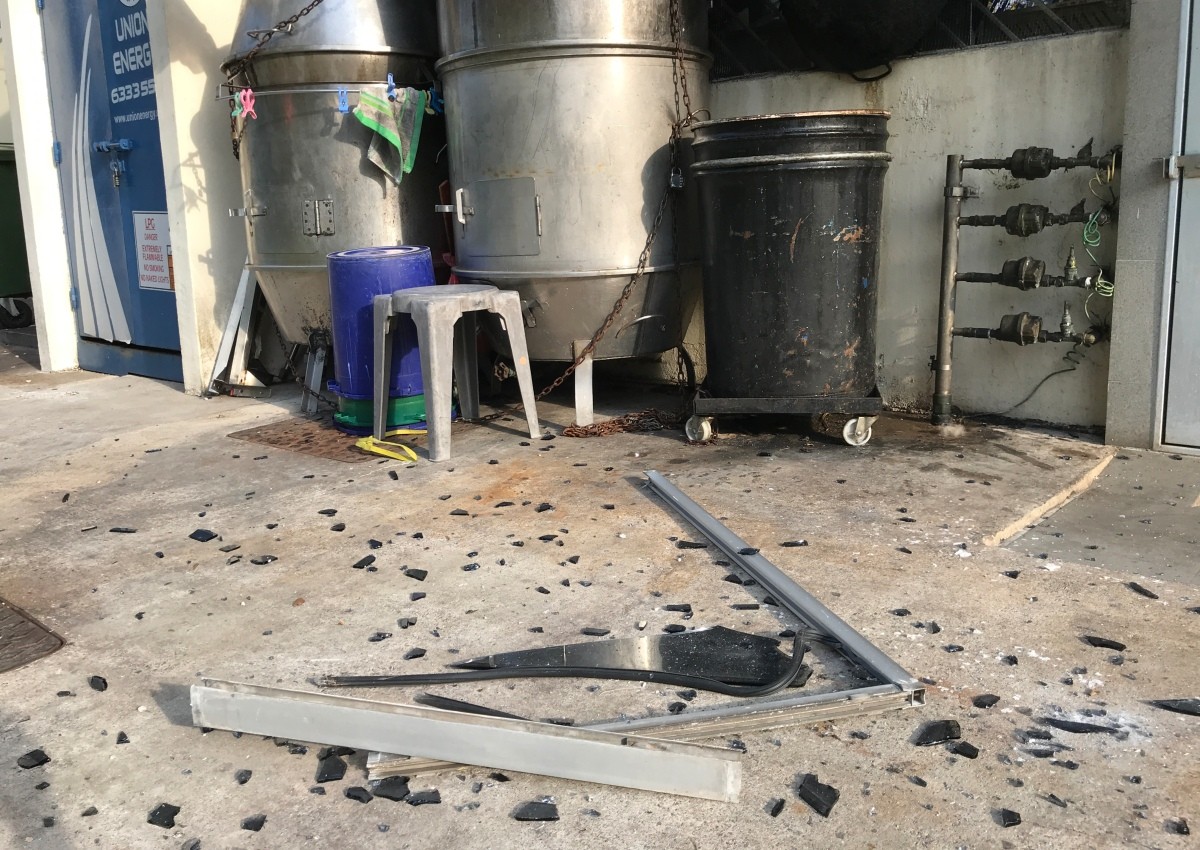
Fallen Window at Toa Payoh HDB Block nearrowly missing 78year old man – AsiaOne
The problem is that window damages usually develops gradually. A slight rattle may later become an unstable panel, while a small leak can eventually leave stains or mould around the wall. This is particularly important in Singapore, where many people live in
The Acoustic Commercial Grade Glass can take up to 320mm (Fixed Panels) with an average of 125mm air space in between the glass panes. Therefore this is not realistic to fabricate due to the high cost and impracticality. Not to mention that the same set of precise measurement glasses may not suit your next place of accommodation when you are shifting your residency.
high-rise buildings and poorly maintained windows may affect people outside the home as well.
Homeowners do not need technical knowledge to notice the early signs. Here are three common window problems to look out for, starting with the most important.
1. Loose Window Parts Can Become a Safety Problem
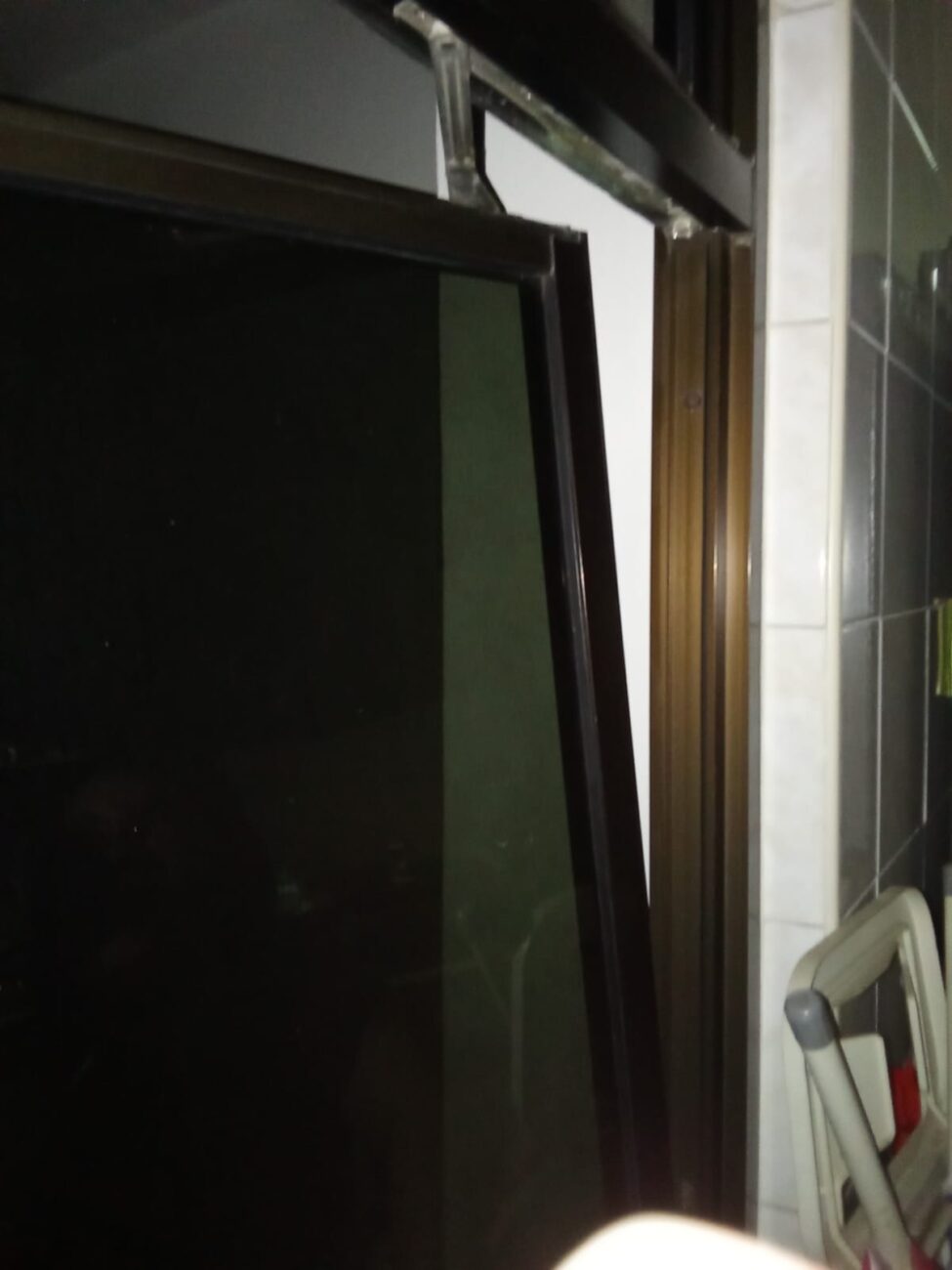
Firstly, a window panel that shakes, shifts or no longer sits properly in its frame should not be treated as a minor inconvenience.
When checking a window, most people focus on whether the glass is cracked. However, the smaller components around the glass are just as important.
Casement windows rely on friction stay, to hold the panel in place. Sliding windows depend on tracks, rollers, stoppers and other safety fittings to prevent the panels from moving out of position.
These components experience wear whenever the window is opened or closed. Moisture, dirt and age can also cause metal parts to loosen or corrode. BCA has previously identified corroded rivets as a common issue in fallen casement-window cases. For sliding windows, missing or unsuitable safety parts can allow a panel to become unstable, especially when too much force is used.
🪟 Pay attention to how the window moves
Changes in movement are often the first warning signs. A window may need attention when it:
- Shakes or rattles while open
- Feels unusually heavy
- Scrapes against the frame
- Have sharp noise when opening/closely
- Requires force to open or close
- Appears tilted or out of alignment
Avoid repeatedly forcing a difficult window. This can place additional pressure on the handle, hinges, rollers or frame. Instead, check whether the track is blocked by dirt and whether any visible parts appear loose.
Homeowners can clean accessible areas, but they should not dismantle a high-rise window or attempt complicated repairs themselves. Loose panels, damaged fasteners and missing safety components should be inspected by a suitable window contractor.
📅 Make inspections part of home maintenance
Window checks should not only happen when something breaks. BCA recommends inspecting and maintaining windows at least once every six months. A simple way to remember this is to include windows in a twice-yearly home maintenance routine.
During the check, open and close each window gently. Look for rust, loose screws, damaged hinges and movement between the panel and frame. Sliding-window tracks should also be cleared of dust and debris.
Suggested visual: A simple labelled illustration showing the hinges and rivets of a casement window beside the track and safety stopper of a sliding window.
Regular inspection takes only a short time, but it helps prevent a loose component from becoming a serious safety risk. A list of BCA-approved window contractors and window maintenance tips can be found at the BCA website and the HDB website, respectively.
2. Water and Humidity Can Turn Small Gaps Into Bigger Repairs
Singapore’s wet and humid conditions can expose weaknesses around window seals, frames and drainage points.
Rainwater entering the home is a different issue. It may come through gaps in the sealant, damaged frame joints or drainage channels that have become blocked. The visible wet area may not always be the actual entry point, as water can travel along the frame before dripping indoors.
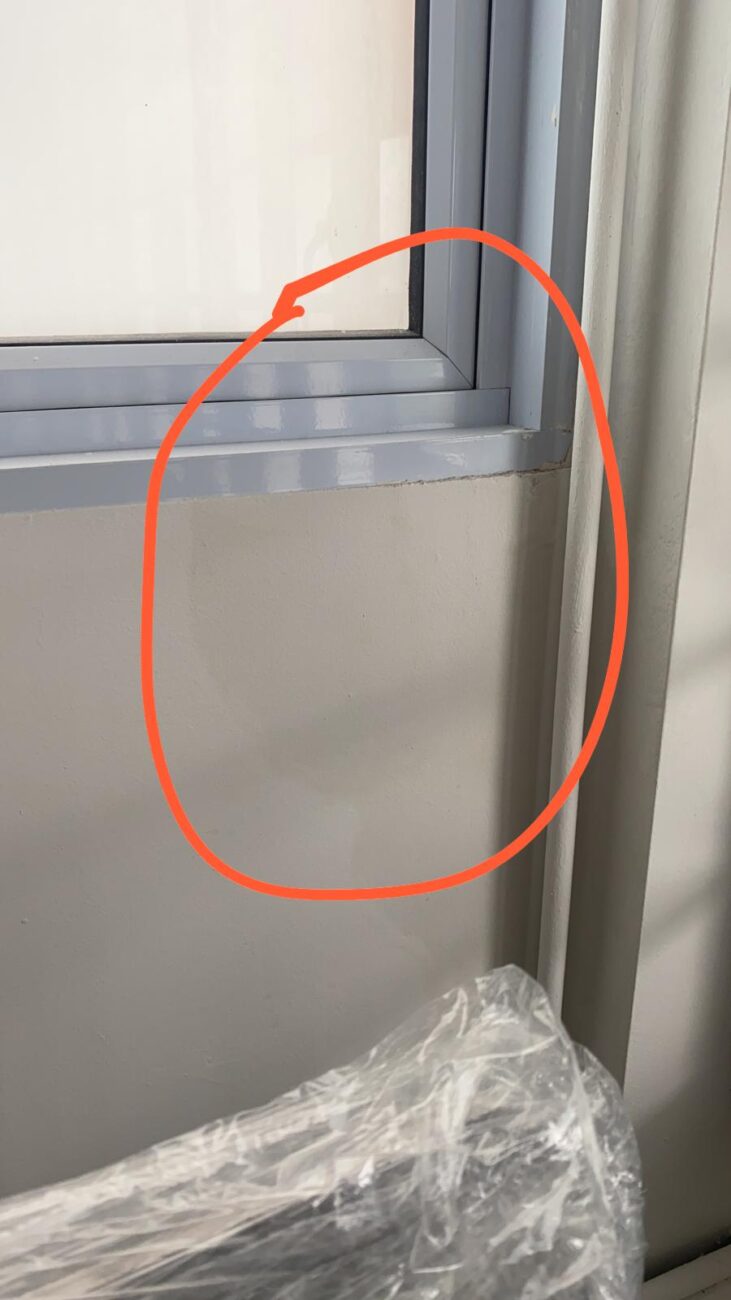
Check windows after heavy rain
A quick inspection after a storm can reveal problems that are difficult to spot on a dry day. Look for:
- Water collecting inside the track
- Damp patches around the window
- Bubbling or peeling paint
- Dark marks near corners
- A musty smell
- Mould around the sill or wall
Wiping away the water solves the immediate mess but does not address the cause. If the same area becomes wet after every period of heavy rain, the window should be checked for failed seals, blocked drainage or alignment problems.
Water damage can also spread beyond the window itself. Continued moisture may affect nearby paint, plaster, furniture or curtains. This is why early action is usually simpler than waiting until several parts of the room need repair.
3. Stiff, Noisy or Drafty Windows Are Early Warning Signs
These problems may not seem urgent, but they often show that the window is no longer operating as it should.
🔊 Do not ignore changes in everyday use
A window should open, close and lock without excessive effort. Squeaking hinges, sticky tracks and stiff handles often begin as small annoyances. They may be caused by dirt, worn rollers, corrosion or poor alignment.
Cleaning accessible tracks can improve movement when dust is the main problem. However, a window that remains difficult to use may have a worn or damaged component. Continuing to force it could damage the lock or move the panel further out of alignment.
❄️ Drafts can affect indoor comfort
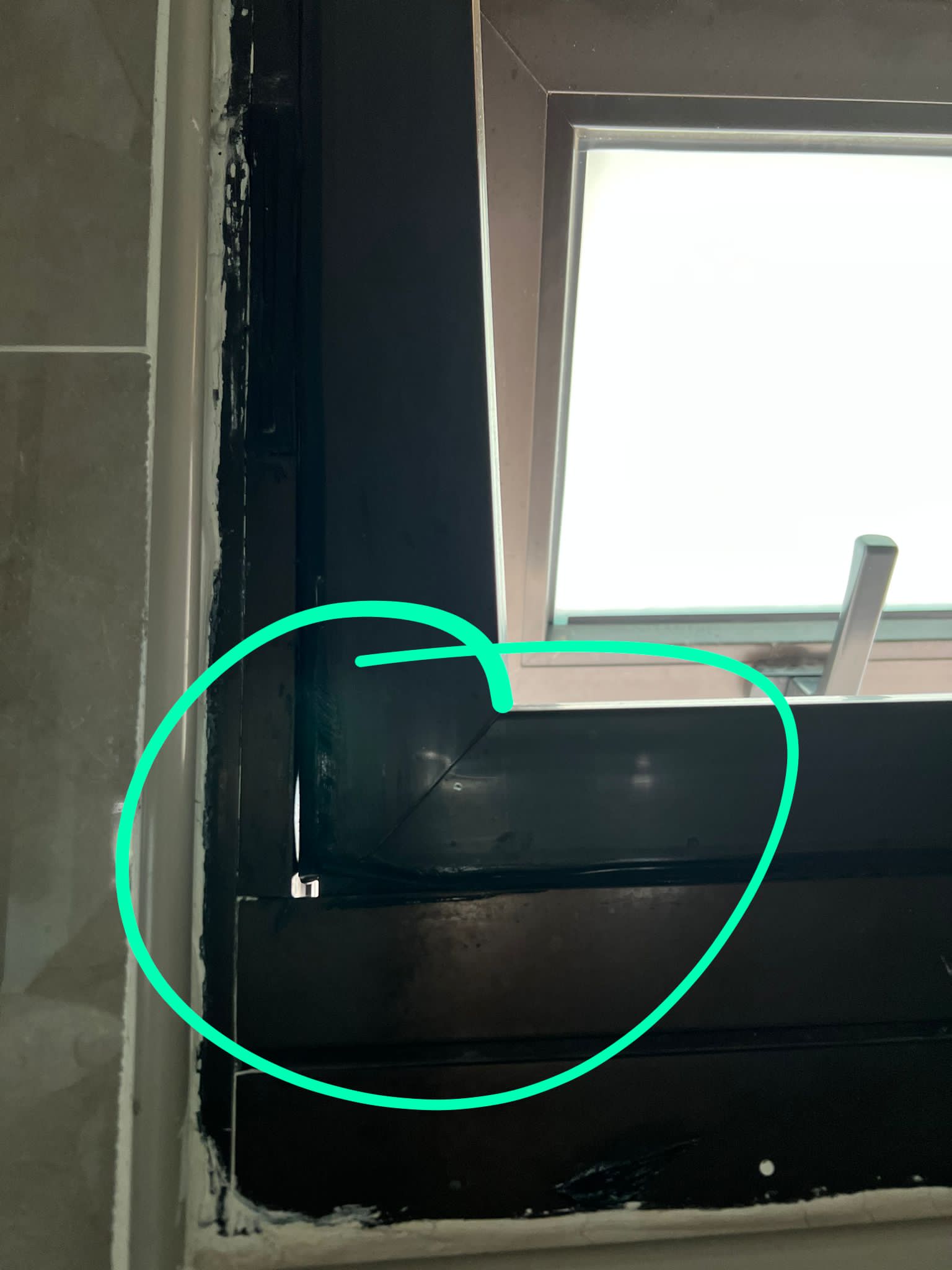
Gaps around a closed window can allow warm air and outside noise into the home. At the same time, cooled air from an air-conditioned room may escape.
Stand near the window while it is closed and check whether you can feel moving air. Also notice whether traffic and outdoor voices sound louder near a particular edge of the frame. Drafts and noise entering through the same area may point to worn weatherstripping, gaps or poor alignment.
4. Suggestions to Home Owner
Homeowners and occupants can prevent falling windows from happening by making window safety a priority. They can do their part by checking and maintaining their windows at least once every six months by following these three steps:
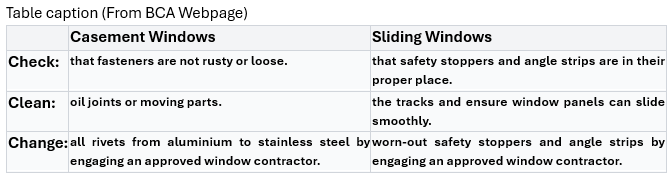
A list of BCA-approved window contractors and window maintenance tips can be found at:
– https://www1.bca.gov.sg/safety-and-standards/periodic-building-inspections/windows-safety
– https://www.hdb.gov.sg/managing-my-home/renovation-and-maintenance/home-maintenance/home-care-guide/windows
Most aluminium windows companies only provide 1year of warranty which can be considered very short as they only repair water leaks during the monsoon season month and during the 2nd year when the leaks occurs again, they charge an unusual high repair fees due to the maintenance has expired. If possible, opt for reputable window contractors that provides at least 3 years of warranty cover. Clarify with the window contractor what does the warranty covers or what does it excludes. Have them to send you a warranty card after installation that states clearly what does the warranty truly honor.
Sources: Straits Times, BCA, CNA