Top 5 Noisiest Neighborhoods in Singapore
Top 5 Noisiest Neighborhood in Singapore Top 5 Noisiest Neighborhood in Singapore rose

Did you know that Orchard is not the noisiest neighbourhood in Singapore?
A 2017 study by an NUS audiologist recorded an average daytime noise level of 69.4 decibels (dB). This was higher than the 67 dB level recommended by the National Environment Agency (NEA).
The study collected 18,768 sound measurements over about two and a half months. Serangoon recorded the highest average noise level at 73.1 dB.
Orchard and Outram came next, both at 72.8 dB. Bukit Timah followed at 72.6 dB, while Clementi recorded 71.8 dB. Yishun ranked ninth, with an average of 70.8 dB.
How Loud Is Too Loud?
Sound levels vary depending on our surroundings. Everyday sounds can seem harmless, but loud noise over time may affect our hearing.
According to common hearing safety guidelines, repeated exposure to noise at 85 dB or above can damage hearing. The risk depends on both the sound level and how long a person is exposed to it.
Comparing Everyday Noise Levels
Here are some examples of everyday sounds and their approximate noise levels:
- Traffic noise: around 80 dB
- Normal conversation: around 60 dB
- Quiet library: around 40 dB
- Very quiet room: around 10 dB
For context, the human hearing threshold for pain is often placed at around 120 to 130 dB, although this varies from person to person.
Even if noise does not cause immediate discomfort, regular exposure can affect your comfort and quality of life. Understanding noise levels is the first step towards creating a quieter home.
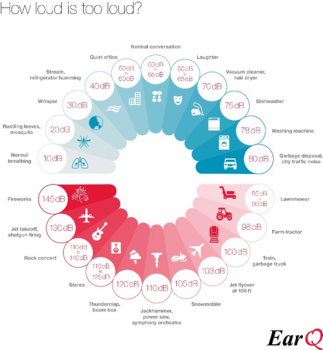
Source: Earq.com
It is not possible to attain 100% soundproof, as breathing also incurs 10dB. In most content, Soundproofing can be measured in STC (Sound Transmission Class). STC is a general term to give rating to how much a system’s performance reduces noise in a controlled setting. However, an STC rating does not equate to how much db (Decibel) can be reduced. For instance, a typical traditional Aluminum single glazed window STC rating is at STC 15-20 while a typical upgraded Aluminum Double Glazed is at STC 25-30.
Commercial Acoustic Windows can go up to STC 65. The trick to achieving a better performance STC rating would be a bigger air space (between the glass panels) and a thicker glass. Thus, it is not realistic to have commercial-grade Acoustic Windows in a residential area as the wall is going to be thinner than the Acoustic Frame System. For instance, a typical HDB Pharapet wall façade thickness is 125mm to accommodate both the windows and the grille.
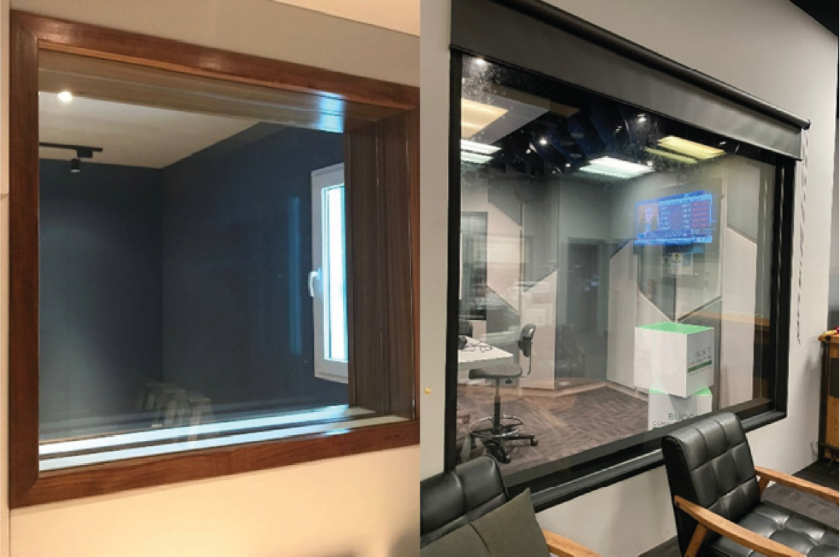
The Acoustic Commercial Grade Glass can take up to 320mm (Fixed Panels) with an average of 125mm air space in between the glass panes. Therefore this is not realistic to fabricate due to the high cost and impracticality. Not to mention that the same set of precise measurement glasses may not suit your next place of accommodation when you are shifting your residency.
Fortuna Soundproof Windows Pte Ltd is a local SME company, that prides itself to bring acoustic windows to the residential sector, specifically the HDB neighborhood area where the residential living is very clustered and traffic noise is very common.
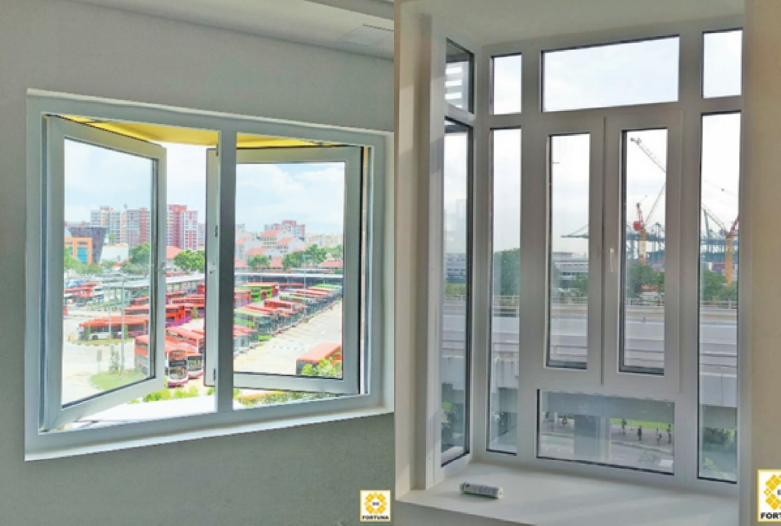
Not to mention resumed construction works and renovation works are on tight schedules to completion, both in residential and commercial works. These noises are long term noises that will take years to complete.
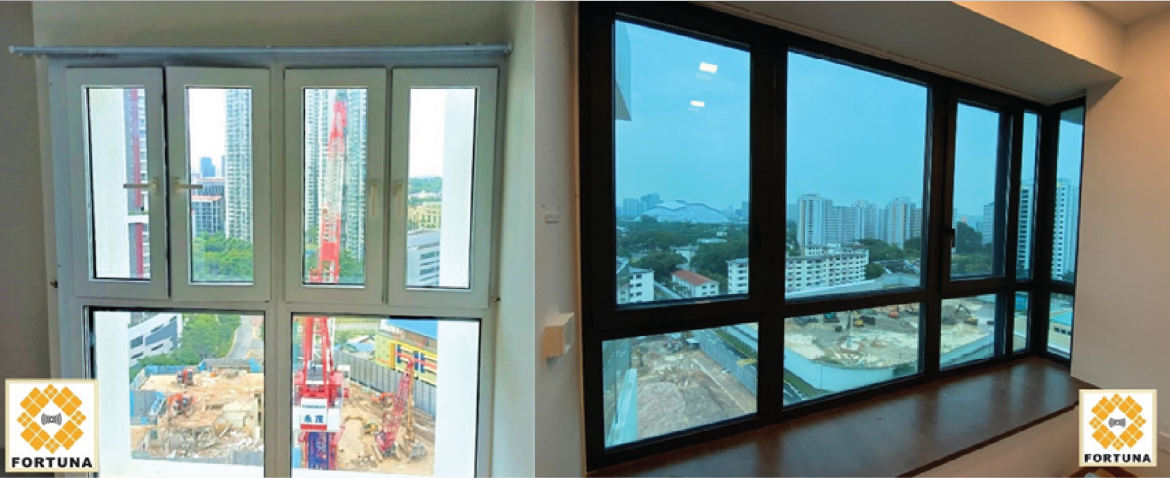
Why Fortuna’s Windows are so Soundproof?
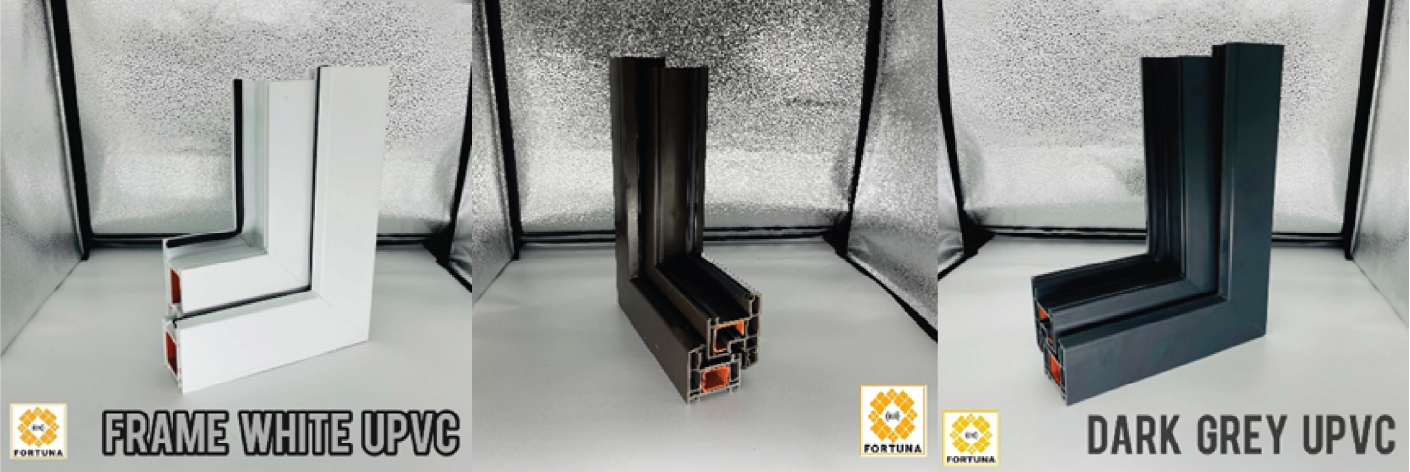
- Frame Profile – Fortuna’s starred profile is UPVC frame, also known as Thermo-Plastic. Which provides more acoustic and thermal insulation performance over Aluminum and Timber Windows. The multi chambers containing air space are excellent insulators for both noise and heat. UPVC materials are also resistant to sunlight, oxidation, fire, frost, electricity, and acoustic properties.
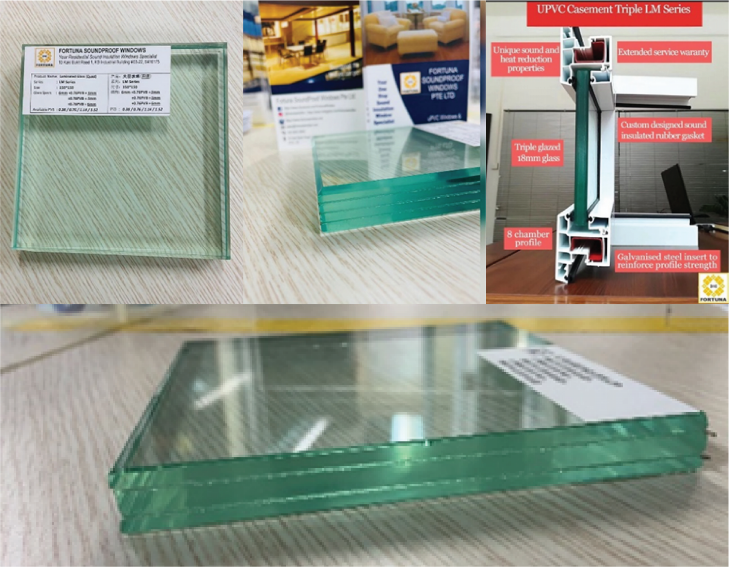
- Glass Glazing – Fortuna’s starred Triple Laminated Glass are one of a kind, bringing the acoustic glass to a compressed minimized thickness to achieve a good quality STC rating, thus able to provide quality acoustic windows and doors in the Residential market. The thick laminated glass can also be safety glass, which has a lot of advantages over the traditional float and tempered glass. I.e. Safety, Security, Acoustic, Blast resistance, UV reduction and Fire resistance. P.S Quad-glazed is even possible too, for Home Recording Studios.
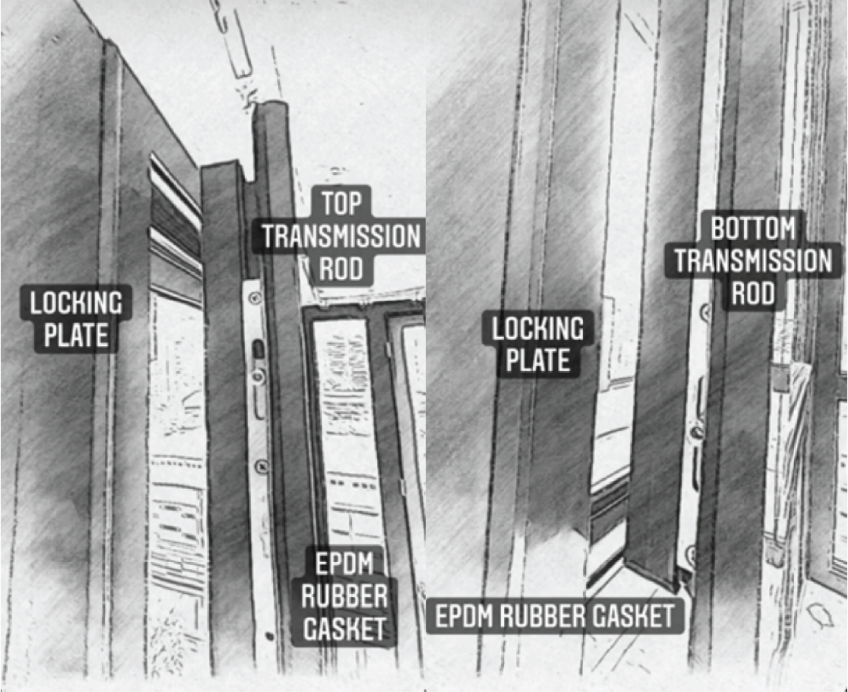
- Double Compression System – The air compression system truly makes the difference in achieving the final elimination of noise reduction. The triple locking system compressed the opening casement panels to be tucked as tightly to the main frame, providing air tightness, water tightness, security and acoustic performance.
Hearing is believing. In the context of acoustic, we strive to achieve a library environment for every household. Visit our showroom to understand and have a feel of these acoustic windows and have a permanent solution to your sleepless nights and look forwards to greater performance in your daily lives.
Sports Facility Noise: https://www.facebook.com/FortunaWindow/videos/565158817901305
Bus Traffic Noise Test: https://www.youtube.com/watch?v=ZgDjcqXDpho&t=2s