uPVC Window in Singapore: Benefits, Maintenance and What Homeowners Should Know
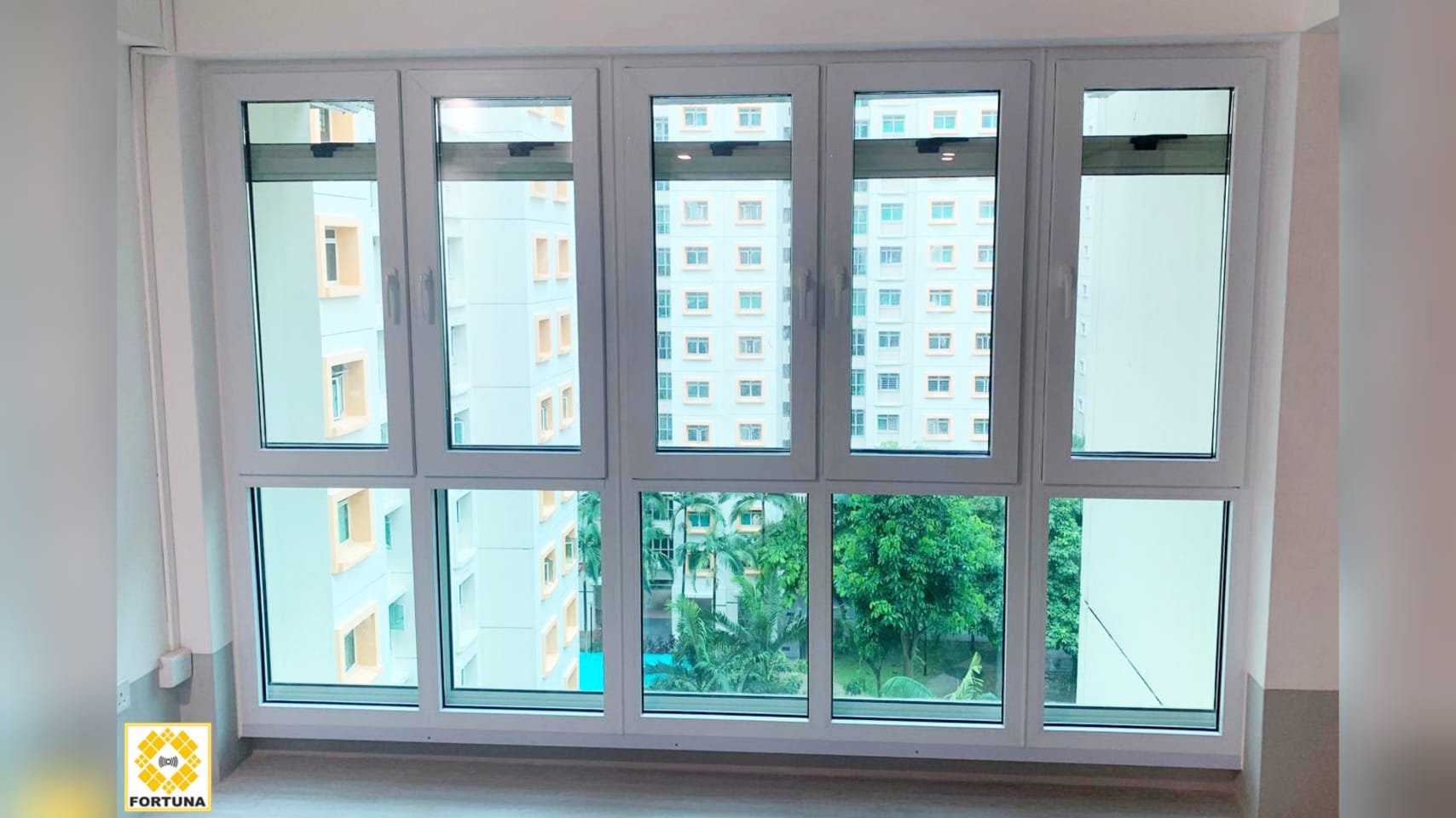
uPVC Window in Singapore: Benefits, Maintenance and What Homeowners Should Know
When choosing new windows for your home, it is important to consider more than just appearance. The window frame, glass and seals can affect indoor comfort, outside noise and how much maintenance is needed over time.
uPVC windows are one option for homeowners in Singapore. They are known for their low maintenance needs and ability to help reduce heat and noise when used in a well-designed window system.
But what exactly is uPVC, and is it suitable for your home? Here are some key points to consider before choosing uPVC windows.
What Is a uPVC Window?
uPVC stands for unplasticised polyvinyl chloride. It is a rigid material used to make window and door frames.
Unlike some other frame materials, uPVC does not rust or need regular painting. It is also suitable for Singapore’s hot and humid weather when the window system is properly designed and installed.
uPVC windows are available in different styles, including casement, sliding and top-hung designs. The right style depends on your room layout, ventilation needs and noise concerns.
When comparing windows, remember that the frame is only one part of the system. The glass, seals, locks and installation also affect how well the window performs.
1. What Are the Benefits of uPVC Windows?
uPVC windows offer several benefits for homeowners. These include easy cleaning, resistance to corrosion and the potential to improve indoor comfort.
Easy to Clean and Maintain
One of the main benefits of uPVC windows is that they are easy to care for. The frames do not need regular painting, and everyday dirt can usually be removed with a soft cloth and mild soapy water.
This makes them a practical choice for homeowners who want windows that are simple to maintain.
However, easy maintenance does not mean no maintenance. Window seals, hinges, locks and other moving parts still need regular checks to keep the windows working properly.
Suitable for Singapore’s Climate
Singapore has a hot and humid climate, with frequent rain throughout the year. Window frames need to cope with these conditions.
uPVC does not rust like metal, making it suitable for use in humid environments. A well-made window system can also help reduce unwanted air movement around the frame.
The quality of the frame, seals and installation remains important. Homeowners should choose a system designed for local weather conditions.
Helps Reduce Heat and Noise
Windows can affect how much heat and outside noise enters a home. uPVC frames have low heat conductivity, which means they do not transfer heat as easily as some other materials.
Some uPVC window systems also use multi-chamber frames. These internal sections can help improve insulation, depending on the design.
For noise reduction, the frame needs to work with the right glass and seals. A well-fitted window may help reduce traffic noise, construction sounds and other outdoor disturbances.
However, uPVC alone does not guarantee that a window will block all noise. The complete window system should be assessed based on your needs.
2. How Do uPVC Windows Help With Noise Reduction?
Outside noise can enter a home through glass, gaps around the frame and other openings. This is why choosing the right window system matters, especially if your home faces a busy road or a noisy neighbourhood.
uPVC frames can be used with different glass options to meet different needs. The type and thickness of the glass, the space between glass panes and the quality of the seals can all affect sound insulation.
For example, a home near an MRT line may need a different window setup from one where the main concern is voices from a common corridor.
Does Every uPVC Window Reduce Noise Equally?
No. Different uPVC window systems can offer different levels of noise reduction.
The opening style also matters. Casement windows often press against their seals when closed, while sliding windows move along tracks. Depending on the design, these systems may have different levels of sealing.
If noise is a major concern, ask about the acoustic performance of the complete window system. Do not choose a product based on the frame material alone.
You can explore Fortuna Window’s Soundproofing Solutions to learn more about window options for reducing outside noise.
3. What Types of uPVC Windows Are Available?
The best window style depends on the space available and how you want to use the room.
Casement Windows
Casement windows open inwards or outwards using hinges. When closed, the panels can press against the frame seals to create a tight fit.
This design may suit homeowners who place a high priority on noise reduction. However, enough space must be available for the panels to open.
Sliding Windows
Sliding windows open by moving horizontally along tracks. They do not need extra space for the panels to swing open, making them useful for many room layouts.
Their noise reduction performance depends on the frame design, glass and seals. If sound insulation is important, compare the specifications of different sliding systems before making a choice.
Top-Hung Windows
Top-hung windows are hinged at the top and open from the bottom. They are often used in areas where ventilation is needed.
The suitable design depends on the room, the required airflow and the window’s intended use.
Before choosing a style, consider how the window will open, how often it will be used and whether it meets your noise reduction needs.
4. Should You Choose Double Glazed uPVC Windows?
Double glazed windows use two panes of glass with a sealed space between them. This design creates an extra barrier between the indoor and outdoor environment.
When paired with a suitable frame and good seals, double glazing can help improve insulation and reduce outside noise. However, its performance depends on the glass thickness, the space between the panes and the design of the complete window.
Not every double glazed window offers the same results. The way the window closes and how well it is installed also matter.
If you are considering double glazed windows in Singapore, ask the supplier about the available glass options and the tested performance of the complete system.
You can also visit Fortuna Window’s Material Profile page to learn more about uPVC frames and glazing options.
5. How Do You Maintain uPVC Windows?
Although uPVC windows are easy to maintain, regular care is still needed to keep them in good condition.
Clean the Frames and Glass
Use a soft cloth, water and mild soap to remove dust and dirt from the frames. Avoid harsh cleaning products or rough tools that may damage the surface.
Clean the glass with a suitable glass cleaner and wipe away any marks.
Check the Seals and Locks
Inspect the seals around the window for signs of wear or damage. Check that the locks and handles work properly and that the panels close as they should.
Damaged seals may affect how well the window keeps out rain, air and noise. Arrange for repairs if you notice a problem.
Keep Moving Parts in Good Condition
Hinges, tracks and other moving parts need attention from time to time. Sliding window tracks should be kept clear of dust and dirt so the panels can move smoothly.
For safety, homeowners should check their windows regularly. The Building and Construction Authority (BCA) advises checking and maintaining windows at least once every six months. If you notice loose parts or damage, contact a suitable window contractor.
You can find more guidance on the BCA’s window safety and maintenance page.
6. What Should You Consider Before Buying uPVC Windows in Singapore?
Before choosing a uPVC window, think about your home’s layout, the amount of outside noise and your budget.
Here are a few points to discuss with your window supplier:
- Window style: Decide whether casement, sliding or another design suits your room.
- Glass options: Ask which glass types are available and how they affect noise and heat insulation.
- Sealing: Check how the window closes and how the seals help prevent gaps.
- Maintenance: Understand how to clean the windows and care for the moving parts.
- Installation: Confirm that the proposed work meets the relevant building, safety and approval requirements.
- Warranty: Check what the warranty covers and how long the coverage lasts.
It is also helpful to explain your main concern before asking for a recommendation. For example, you may want to reduce traffic noise, keep rooms more comfortable or replace old windows that are difficult to maintain.
This information can help the supplier suggest a window system that suits your home.
Are uPVC Windows a Good Choice for Your Home?
uPVC windows are worth considering if you want frames that are easy to maintain and do not rust. When combined with suitable glass, good seals and proper installation, they may also help reduce heat and outside noise.
However, the best choice depends on the complete window system, not just the frame material. Consider the opening style, glass options, noise conditions and requirements of your property before making a decision.
Fortuna Window offers uPVC soundproof window and door systems for residential properties in Singapore. To explore the available options, visit the Soundproofing Solutions and Material Profile pages.
If you are unsure which option is right for your home, discuss your needs with Fortuna Window before deciding on an upgrade.
Soundproof Door Singapore: How to Reduce Noise at Home
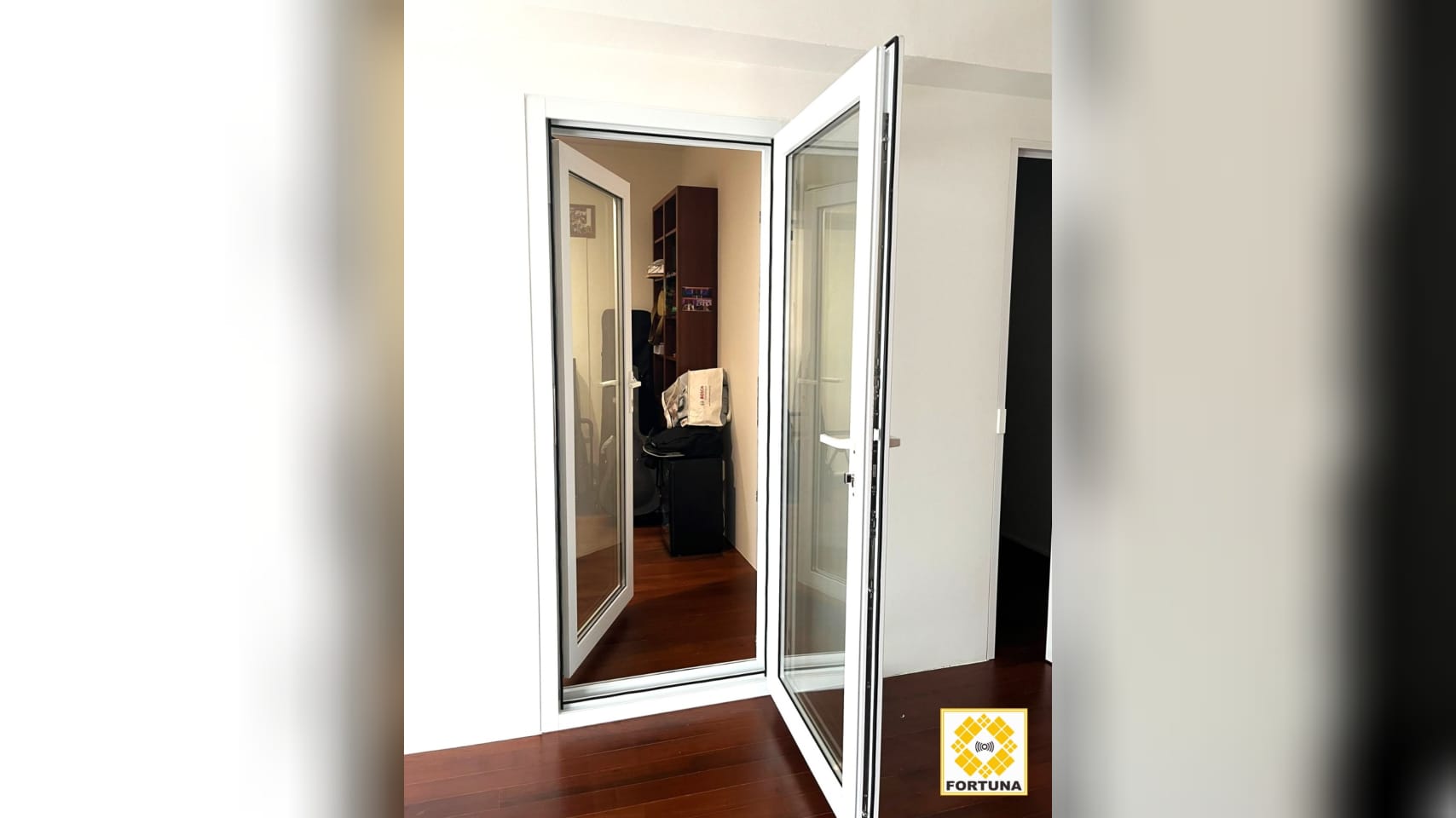
Soundproof Door Singapore: How to Reduce Noise at Home
Living in Singapore means sharing space with neighbours, traffic and everyday activity. Even when your windows are closed, noise can still enter through the doors in your home.
For example, you may hear people talking along the HDB corridor, footsteps outside your bedroom or noise from the living room while you are trying to rest. In some homes, sounds from outside may also pass through balcony or patio doors.
If this sounds familiar, installing a soundproof door may be worth considering. However, choosing the right door involves more than looking at its design or material. The frame, seals, gaps and installation all affect how well it can reduce noise.
Why Does Noise Pass Through Doors?
A door creates a barrier between two spaces, but it may not block much sound if it has gaps or a poor seal.
One common problem is the gap beneath the door. Sound can pass through this opening, even when the door is fully closed. Small gaps around the sides and top of the frame can also affect sound insulation.
The door panel itself matters too. A lightweight door may offer less resistance to sound than a system designed for better noise control.
In Singapore homes, the source of the noise can vary. An HDB flat near a lift lobby may be affected by corridor noise, while a bedroom in a busy household may need better separation from sounds coming from other rooms.
Before choosing a soundproofing door, consider where the noise comes from and how it enters the room.
What Makes a Soundproof Door Effective?
A soundproof door is designed to reduce the amount of sound passing from one space to another. Its performance depends on several parts working together.
1. The Door Panel
The panel forms the main barrier against sound. Its material, thickness and construction can affect how much noise passes through it.
Some door systems use uPVC, while others use aluminium frames and different panel designs. The right choice depends on the location, size and purpose of the door.
Do not assume that a heavier door will always provide the best result. Ask about the performance of the complete door system rather than judging by appearance alone.
2. The Door Frame and Seals
Even a suitable door panel may not perform well if sound can pass through gaps around it.
Good seals help close the space between the door and its frame. The locking mechanism should also pull the door firmly into place where the design allows it.
When comparing a soundproof door in Singapore, ask how the sides, top and bottom are sealed. These details can make a real difference to the result.
3. The Gap at the Bottom
The space beneath a door is easy to overlook, but it can affect sound insulation.
Some homes have a gap to allow for floor finishes or normal door movement. However, a large opening can provide a path for noise to travel through.
A suitable frame and threshold design may help reduce this gap. The solution must still allow the door to open and close properly and suit the floor level of the home.
Which Type of Soundproofing Door Should You Choose?
Different homes need different door designs. The most suitable option depends on the available space, how often the door is used and the level of noise you want to reduce.
Swing Doors
A swing door opens inwards or outwards on hinges. It may be suitable for bedrooms and other rooms where there is enough space for the door to move.
Depending on its design, a swing door can close firmly against its frame and seals. This makes the frame and sealing system important points to check when choosing one for noise reduction.
Sliding Doors
Sliding doors move along a track rather than swinging into the room. They can be useful for balconies and openings where space is limited.
However, sliding systems use a different sealing design from swing doors. Their ability to reduce noise depends on the panel construction, track, locking system and seals.
If you are considering a sliding soundproof door, ask about its sound insulation performance when fully closed.
Folding Doors
Folding doors consist of panels that fold to one side. They can create a wider opening when needed and may suit certain layouts.
As they have several panels and joints, the design and sealing details are important. Check whether the system is intended for noise reduction and whether its performance suits your needs.
Lift-and-Slide Doors
Lift-and-slide doors are designed to move along a track, with the panel lifting to move and lowering into position when closed.
They may be suitable for larger openings, depending on the layout and door system. As with other designs, the frame, seals and installation affect the final result.
Fortuna offers different door systems, including sliding, folding, lift-and-slide and single-door options. You can compare the available designs on its heavy-duty soundproof doors page.
Is a Soundproof Door Suitable for HDB Flats in Singapore?
A soundproofing door may help homeowners who hear unwanted noise through a doorway. For example, it may be worth considering when a bedroom faces a shared corridor or when noise travels between rooms.
However, not every noise problem comes from the door. If most of the sound enters through the windows, replacing the door alone may not make a noticeable difference.
HDB homeowners should also check the relevant requirements before replacing doors or making changes that may affect common areas or building features. The door must fit the space properly and remain safe and easy to use.
For condominiums, check the development’s renovation rules where applicable.
Soundproof Door vs Soundproof Windows: Which Do You Need?
Both doors and windows can allow sound to enter a home. The right place to start depends on where you hear the noise most clearly.
If traffic noise is loudest near a window facing a busy road, upgrading the window may be the more suitable first step.
If you hear conversations, footsteps or other sounds near a doorway, the door and its surrounding frame may need attention.
In some homes, both windows and doors contribute to the problem. Improving one area may help, but the result can be limited if sound still enters through another opening.
A proper assessment can help you identify the main source of the noise before deciding which system to install.
What to Check Before Buying a Soundproof Door
Before choosing a soundproof door in Singapore, take time to compare the details rather than focusing on price or appearance alone.
Here are a few useful questions to ask:
- What type of noise is the door designed to reduce?
- What material and panel construction does it use?
- How are the sides, top and bottom sealed?
- Is there any sound insulation test data for the complete door system?
- Will the door fit the existing opening and floor level?
- Is the design suitable for the way you use the room?
It is also worth discussing your noise concerns with the installer. Traffic noise, voices and sounds from neighbouring rooms may need different approaches.
Remember that soundproofing usually means reducing noise rather than blocking every sound completely. The final result depends on the door system, installation and other paths through which sound can travel.
Find the Right Soundproof Door in Singapore with Fortuna
Choosing the right door can help make your home more comfortable, especially when unwanted noise passes through an opening between spaces.
Fortuna Soundproof Windows offers a range of door systems for different home layouts, including uPVC and heavy-duty aluminium options. The available designs include swing, sliding, folding and lift-and-slide doors.
If you are considering soundproofing a door in Singapore, start by identifying the source of the noise and the type of opening you need. Then compare the door construction, seals and installation requirements to find a suitable option.
Visit Fortuna’s soundproof door page to explore the available designs, or contact Fortuna to discuss your requirements.
Double Glazed Windows in Singapore: Are They Worth Installing?
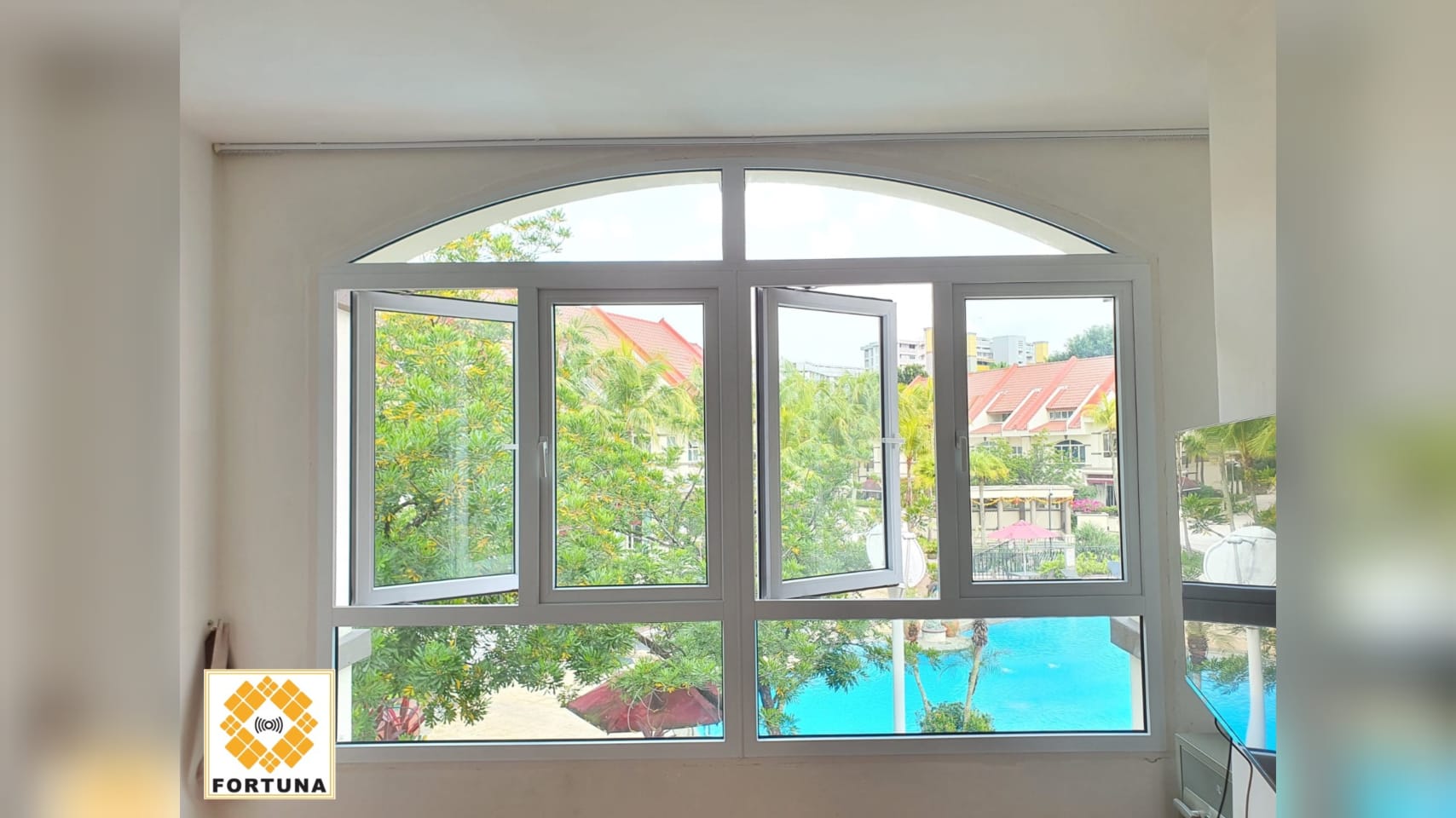
Double Glazed Windows in Singapore: Are They Worth Installing?
If you live near a busy road, an MRT line or a construction site, outside noise can affect your comfort at home. Heat from the sun can also make rooms feel warm, especially during the afternoon.
One option worth considering is double glazed windows. These windows use two panes of glass with a sealed space between them. They can help reduce outside noise and improve insulation when the complete window system is well designed.
But are double glazed windows worth installing in Singapore? The answer depends on your home, your needs and the type of window you choose.
What Are Double Glazed Windows?
Double glazed windows have two panes of glass separated by a sealed space. This space creates an extra layer between the indoor and outdoor environment.
Compared with a single pane of glass, this design can help reduce heat transfer and may improve noise reduction. The results depend on the glass used, the gap between the panes, the frame and the quality of the seals.
Double glazed windows are available in different styles, including casement and sliding windows. Choosing the right design is important because the way a window closes can affect its overall performance.
1. Can Double Glazed Windows Reduce Outside Noise?
Noise reduction is one reason homeowners consider double glazed windows in Singapore.
Outside sounds can enter through the glass, gaps around the frame and other openings. Two panes of glass can help reduce some sound, but the result depends on how the window is built.
For example, a home facing a busy road may need a different window setup from one where the main concern is voices from a common corridor.
Does Double Glazing Block All Noise?
No. Double glazed windows cannot block all outside noise.
Their performance depends on several factors, including the thickness of each glass pane, the space between the panes and the quality of the frame and seals. Glass panes with different thicknesses may also help reduce a wider range of sound frequencies.
The way the window closes is important too. If there are gaps around the frame, sound may still enter even when double glazing is used.
If noise reduction is your main concern, ask for test results for the complete window system rather than looking at the number of glass panes alone.
2. Do Double Glazed Windows Help Keep Rooms Cool?
Singapore has a hot and humid climate, so heat entering through windows can affect indoor comfort.
Double glazed windows add a layer of glass and a sealed space between the panes. Depending on the glass and window design, this can help reduce heat transfer from outside.
However, not all double glazed windows offer the same level of insulation. The type of glass, window frame and direction the window faces all make a difference.
What About Air-Conditioning Costs?
A window that reduces heat entering a room may help the room stay more comfortable. In some cases, this may also reduce the need for air-conditioning.
However, the actual savings depend on factors such as the room’s size, sun exposure, air-conditioning use and the rest of the building.
Double glazing should therefore be considered as part of a wider plan to improve indoor comfort, rather than a guarantee of lower electricity bills.
3. Which Window Frames Can Be Used With Double Glazing?
The frame is an important part of any double glazed window. It holds the glass in place and helps seal the opening against outside air and noise.
Different frame materials offer different benefits, so it is worth comparing them before making a decision.
uPVC Window Frames
uPVC is a rigid material commonly used for residential window frames. It does not rust and is easy to clean, making it suitable for Singapore’s humid climate when properly designed and installed.
Many uPVC frames have internal chambers that can help improve insulation. When paired with suitable glass and good seals, they may be a useful option for homeowners who want to reduce heat and outside noise.
Aluminium Window Frames
Aluminium is another common choice for window frames. It is strong and can be used for many window designs.
Its insulation performance depends on the frame design. Some systems use special features to reduce heat transfer through the frame.
When comparing uPVC and aluminium windows, consider the complete system, including the glass, seals, opening style and installation quality.
You can explore Fortuna Window’s Material Profile page for more information about window frame options.
4. Are Casement or Sliding Double Glazed Windows Better?
Double glazed windows can use different opening styles. Two common options are casement and sliding windows.
Casement Windows
Casement windows open inwards or outwards using hinges. When closed, the panels can press against the frame seals to create a tight fit.
This closing method may help reduce gaps around the window. However, enough space must be available for the panels to open.
Sliding Windows
Sliding windows move horizontally along tracks and do not need extra space for the panels to swing open. This makes them practical for many homes.
Their noise reduction performance depends on the frame design, seals and installation. Some sliding systems may not seal in the same way as casement windows.
Neither style is automatically the best choice for every home. If sound insulation is important, compare the tested performance of the complete window systems before deciding.
5. What Are the Costs of Installing Double Glazed Windows in Singapore?
The cost of double glazed windows varies from one project to another. The final price depends on the size and number of windows, the glass specification, the frame material and the type of opening.
Installation conditions can also affect the cost. Replacing existing windows may involve extra work, depending on the current frames and the condition of the openings.
What Affects the Price?
Before asking for a quotation, consider these points:
- Window size: Larger windows usually need more materials.
- Glass type: Different glass thicknesses and specifications can affect the price.
- Frame material: uPVC and aluminium systems may have different costs.
- Opening style: Casement and sliding designs have different parts and fitting needs.
- Installation work: Removing old windows and preparing the openings may add to the total cost.
- Special requirements: Your home may need a specific design to meet building or management rules.
When comparing quotations, check what is included. Look at the glass, frame, seals, installation work and warranty rather than comparing the total price alone.
6. What Should You Check Before Installing Double Glazed Windows?
Before choosing a new window system, make sure it suits your home and your main concerns.
Here are some useful questions to ask:
- What type and thickness of glass will be used?
- How well does the complete window system reduce outside noise?
- What frame material and sealing system are included?
- Is the window suitable for the space available?
- Does the installation meet the relevant HDB, building management and safety requirements?
- What does the warranty cover?
- How should the windows be cleaned and maintained?
It is also useful to explain the noise you experience. Traffic, construction work and voices from a corridor may require different solutions.
If your home is noisy even when the windows are closed, ask the installer to check for gaps and other possible sources of sound. Upgrading the glass alone may not solve the problem.
7. Are Double Glazed Windows Suitable for HDB Flats and Condominiums?
Double glazed windows may be suitable for different types of homes, but the installation requirements can vary.
HDB Flats
If you live in an HDB flat, check the applicable window replacement rules and approval requirements before starting work. The proposed design must meet the relevant safety requirements.
Condominiums
Condominium owners should check with the management office before replacing windows. There may be rules on the building’s exterior appearance, window design and installation work.
Landed Properties
Landed homeowners may have more flexibility in choosing window styles, but they still need to consider safety, weather exposure, ventilation and any applicable building requirements.
Before proceeding, confirm that the selected window system and installation method are suitable for your property.
Are Double Glazed Windows Worth Installing?
Double glazed windows are worth considering if you want to improve indoor comfort or reduce outside noise. They can help with insulation, but their performance depends on the glass, frame, seals and installation.
For homeowners in Singapore, the best option is not always the one with the most glass layers. It is the system that suits the home’s layout, noise concerns and budget.
If you are mainly concerned about outside noise, look at the complete window system and ask about its tested performance. If heat is the main issue, compare the available glass and frame options as well.
Fortuna Window offers window and door systems for residential properties. To explore options for reducing outside noise, visit the Soundproofing Solutions and Material Profile pages.
If you are unsure whether double glazed windows are suitable for your home, discuss your requirements with Fortuna Window before deciding on an upgrade.
Casement vs Sliding Windows: Which Is Better for Noise Reduction in Singapore?
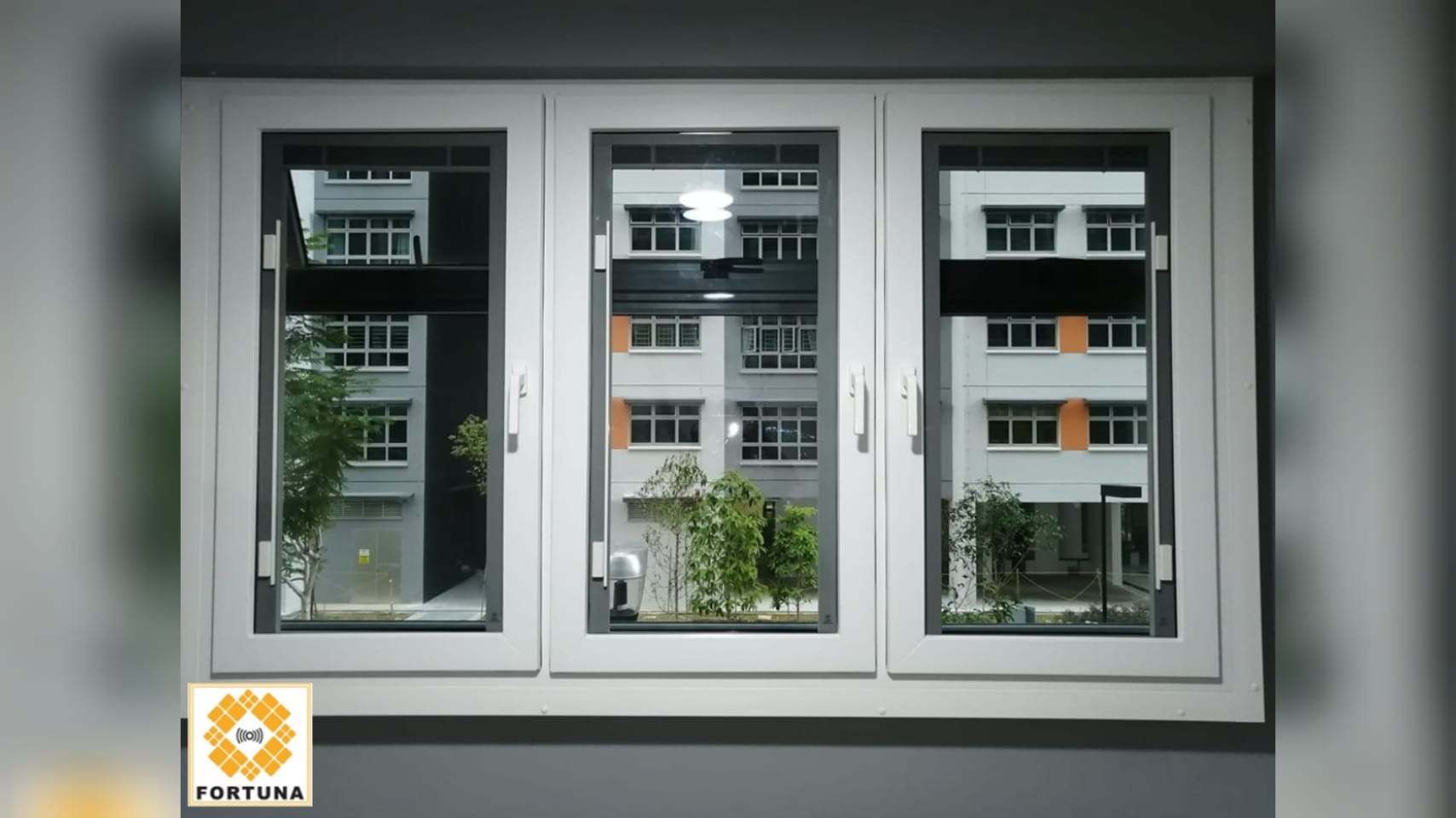
Casement vs Sliding Windows: Which Is Better for Noise Reduction in Singapore?
When choosing windows for your home, most people think about appearance, ventilation and space. But if your home faces a busy road, a school, an MRT line or a noisy neighbourhood, there is another important factor to consider: how well the windows can reduce outside noise.
Casement and sliding windows work in different ways. Even if they use similar glass, their frames, seals and closing mechanisms can affect how much noise enters your home.
For homeowners in Singapore looking for soundproof windows, understanding the differences between these two window styles is a good starting point. The right choice depends on your home’s layout, the type of noise you experience and the window system you choose.
Why Does Window Design Matter for Noise Reduction?
A window is made up of more than just glass. The frame, seals, locks and way the panels close all affect how well it blocks outside noise.
Sound can pass through the glass, but it can also enter through small gaps around the window. If the panels do not close tightly against the frame, even good-quality glass may not provide the noise reduction you expect.
This is especially important in Singapore, where homes may be exposed to traffic, construction work, public transport and other everyday sounds.
When choosing noise reduction windows, look at the complete window system rather than the glass alone.
1. Casement Windows: A Good Option for Noise Reduction
Casement windows are attached to hinges and open inwards or outwards, depending on the design. When closed, the panels press against the frame and seals to create a tight fit.
This closing method is one reason casement windows are often considered for soundproofing.
Many casement windows use compression seals around the edges. When the window is locked, the panel presses firmly against these seals, helping to reduce gaps where outside noise can enter.
For homeowners who want to reduce traffic noise or other outdoor sounds, this design is worth considering.
However, not all casement windows offer the same level of noise reduction. The frame, glass, seals and locking system all play a part in the final result.
What Should You Consider Before Installing Casement Windows?
Casement windows need enough space for the panels to open. This may be a concern if outdoor space is limited or if furniture and other features get in the way.
Homeowners in Singapore should also check that the proposed window design meets the relevant building and safety requirements.
If noise reduction is your main concern, ask whether the complete casement window system has been tested for sound insulation.
2. Sliding Windows: Convenient and Space-Saving
Sliding windows are popular because they are easy to use and do not need extra space for the panels to swing open. Instead, the panels move horizontally along tracks.
This makes them a practical choice for many homes, especially where an outward-opening window may not be suitable.
However, conventional sliding windows often use brush seals or other sealing systems that work differently from the compression seals found in many casement windows. Depending on the design, small gaps around the panels and tracks may allow more noise to enter.
This does not mean all sliding windows perform poorly. Modern sliding window systems can vary greatly in design, sealing and noise reduction.
If you prefer sliding windows, ask about their tested performance instead of assuming that every sliding window offers the same level of sound insulation.
When Should You Consider Sliding Windows?
Sliding windows are worth considering when ease of use and saving space are important. They may also suit your existing window layout.
The key is to balance these benefits with your noise reduction needs. If your home is near a busy road or construction site, compare the specifications of different casement and sliding window systems before making a decision.
3. Does uPVC Improve Window Performance?
The frame material is another factor to consider when choosing soundproof windows.
uPVC, or unplasticised polyvinyl chloride, is a rigid material commonly used for window and door frames. It resists corrosion and is suitable for Singapore’s humid climate when properly designed and installed.
Many uPVC window frames have several internal chambers. These chambers can help improve insulation, although the results depend on the frame design and the complete window system.
A uPVC window can also be paired with different types of glass to suit the needs of a home.
For example, a home near a busy road may need a different glass setup from one where the main concern is voices from a common corridor. In both cases, the glass, frame and seals should work together.
Keep in mind that uPVC alone does not guarantee a certain level of noise reduction. Check the product specifications and available sound insulation test results before choosing a window.
4. Are Double Glazed Windows Better for Noisy Homes?
Double glazed windows have two panes of glass separated by a sealed space. This creates an extra barrier between outside noise and your home.
However, double glazing is not always better than every single-glazed or laminated-glass option. Its performance depends on several factors, including the thickness of the glass, the space between the panes, the frame and the quality of the seals.
Using glass panes of different thicknesses may also help reduce a wider range of sound frequencies.
If you are considering a double glazed window in Singapore, look at how the glass works with the rest of the window system.
For example, double glazing may not solve the problem if the window has poor seals. Noise can still enter through gaps around the frame.
Proper installation is also important. Even a well-designed window may not perform as expected if it is fitted incorrectly.
Rather than choosing double glazing based on the number of glass panes alone, ask about the noise reduction performance of the complete window system.
5. Which Window Style Suits Your Singapore Home?
The right window depends on your property, available space and the source of the noise.
HDB Flats
If you live in an HDB flat, consider the existing window layout, the direction your windows face and the applicable HDB requirements. Any window replacement or alteration must meet the relevant rules and approval requirements.
Condominiums
For condominiums, your choice may depend on the building’s exterior design, management rules and installation restrictions. Check these requirements before selecting a replacement window.
Landed Properties
Landed homes may offer more choices in window design. However, you should still consider weather exposure, security, ventilation and the amount of noise around the property.
Bedrooms Facing Busy Roads
If traffic noise is a concern, look for a window system with suitable glass, tight seals and verified performance data.
Casement windows are worth comparing with sliding windows because their closing mechanisms and seals may offer different levels of noise reduction.
In every case, choose a system that suits your home and provides the level of sound insulation you need.
6. Can Soundproof Doors Also Help Reduce Noise?
Windows may not be the only way noise enters your home. Depending on the layout, sound can also pass through the main entrance, balcony doors or other door openings.
A soundproof door may help when the door is a major source of noise. Its construction, frame, seals around the edges and gap at the bottom can all affect how much sound passes through.
For example, if you live near a busy common corridor, it may be worth checking your entrance door as well as your windows. If your bedroom faces a major road, the exterior window may need more attention.
Replacing your windows alone may not fully address the problem if noise is also entering through other openings.
Start by identifying where the noise is coming from. This will help you decide whether you need better windows, a soundproof door or improvements to both.
7. What Should You Ask Before Buying Soundproof Windows?
Before choosing a new window system, ask these questions:
- Is the window designed to reduce noise, or is sound insulation only an added feature?
- What type of glass does it use?
- Is there test data showing its noise reduction performance?
- How tightly does the window close against its seals?
- Are acoustic test results available for the complete window system?
- Is the opening style suitable for your home’s layout?
- Does the proposed installation meet the relevant HDB, building management and safety requirements?
These questions can help you compare products and avoid choosing a window based on appearance or a single specification.
It is also helpful to explain the type of noise you experience. Constant traffic noise, occasional construction work and voices from a corridor can require different approaches. Sharing these details with a window specialist can help them recommend a suitable system.
Find the Right Soundproof Window Solution for Your Home
Choosing windows for a quieter home involves more than deciding between casement and sliding designs. The glass, frame material, seals and installation all affect the final result.
For homeowners in Singapore, a well-designed uPVC window with suitable glass may be worth considering when upgrading for noise reduction. Double glazed windows are another option, but their performance depends on the design of the complete window system.
If noise also enters through a doorway, a suitable soundproof door may help address the problem.
Fortuna Window offers soundproof window and door systems for residential properties. To explore the available options, visit the Soundproofing Solutions and Material Profile pages.
If you are unsure which window style is right for your home, speak with Fortuna Window about your requirements before deciding on an upgrade. Consider your noise concerns, home layout and the performance of the complete window system to make a more informed choice.
Why Can You Still Hear Outside Noise with Your Windows Closed?
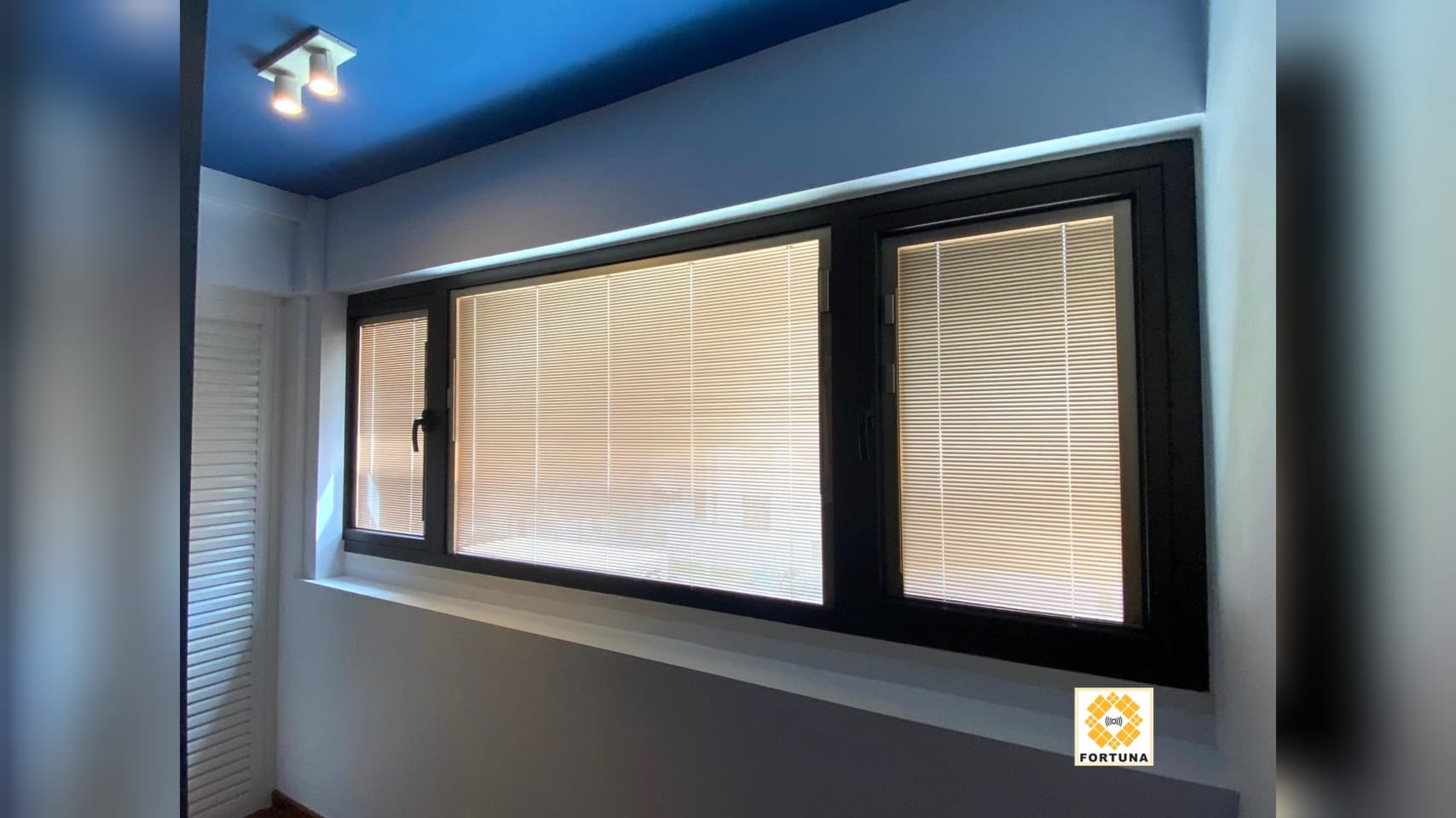
Why Can You Still Hear Outside Noise with Your Windows Closed?
Closing the windows is usually the first thing people do when outside noise becomes a problem at home. Yet, even with every window shut, you may still hear passing vehicles, MRT trains, construction work or people talking downstairs.
This is a common concern in Singapore, where many homes are close to busy roads, public transport and building works. Unwanted noise can affect your comfort, especially when you are resting, working or trying to enjoy a quiet evening at home.
The problem is not always the amount of noise outside. The condition of your windows, the seals around the frames and other openings in your home can all affect how much sound enters the room.
Before spending money on a soundproofing upgrade, it helps to understand where the noise is coming from and what you can do about it.
1. Small Gaps Around Windows Can Let Noise In
One of the first things to check is whether your windows close properly. Even when a window looks shut, worn rubber seals, loose fittings or small gaps around the frame can allow sound to enter.
Over time, window seals may wear out due to Singapore’s heat, humidity and regular use. Older windows may also become harder to close tightly.
These gaps can affect more than noise reduction. They may also allow dust and outdoor air to enter your home.
If the noise seems louder near the edges of a window, check the seals and frame alignment before considering a full replacement.
However, gaps are not always the cause. Sound can also pass through the glass and frame, even when the window is closed properly. In such cases, repairing the seals alone may not provide enough noise reduction.
2. Single-Pane Glass May Not Reduce Enough Noise
The type of glass used in your windows can affect how much outside noise enters your home.
Many homeowners assume that thicker glass will always solve the problem. While glass thickness matters, the result also depends on the type of glass, the sound frequency and the design of the complete window system.
If your home faces a busy road or another noisy area, you may want to consider a noise reduction window designed for better sound insulation.
Depending on your needs, options may include acoustic laminated glass or double glazed windows. Each type has different features, so the right choice depends on the noise you want to reduce.
How Can Double Glazed Windows Help?
Double glazed windows use two panes of glass separated by a sealed space. This creates another barrier between the outdoor environment and your home.
However, double glazing is not always the best solution for every noise problem. The gap between the panes, the thickness of each pane, the frame and the seals all affect how well the window reduces sound.
For example, two glass panes with different thicknesses may perform differently from two panes of the same thickness.
When comparing products, ask about the noise reduction performance of the complete window system instead of relying on the term “double glazed” alone.
3. The Window Frame Also Matters
Glass often gets the most attention when homeowners look for soundproof windows, but the frame is just as important.
A window includes several parts that must work together. These include the glass, frame, opening mechanism, seals and locks. If one part does not perform well, it can affect the whole window.
Are uPVC Windows Good for Noise Reduction?
uPVC stands for unplasticised polyvinyl chloride. It is a rigid material commonly used for residential window frames.
uPVC does not rust and is suitable for Singapore’s humid climate when properly designed and installed. Some uPVC frames also have several internal chambers that can help improve insulation.
When combined with suitable glass and good seals, a well-designed uPVC window may help reduce outside noise.
However, choosing uPVC alone does not guarantee a quiet home. The glass, frame design, seals and installation quality all affect the final result.
Compare the specifications of different window systems rather than choosing based only on the frame material.
4. Noise May Be Entering Through the Main Door
If your windows are in good condition but you can still hear outside noise, check your main entrance door as well.
Some homes in Singapore face common corridors, lifts, staircases or shared access areas. Conversations, footsteps and doors closing can travel through the entrance area.
A standard door may provide limited sound insulation if there are gaps around its edges, an open space beneath it or poor seals around the frame.
A properly fitted soundproof door may help reduce noise passing through the doorway. Its performance depends on the door’s construction, the seals around its edges and the gap at the bottom.
For example, a bedroom facing a busy common corridor may benefit from improvements to its door. A living room facing a main road may need more attention to its windows.
It is important to find the main source of the noise before choosing a product. Replacing the door may have little effect if most of the sound is entering through the windows.
5. Sound Can Travel Through Other Parts of the Building
Windows and doors are common areas to check, but they are not the only paths for noise.
Depending on the property, sound may also travel through walls, ceilings, ventilation openings and other parts of the building. Vibrations from traffic or building equipment may also contribute to the noise you hear indoors.
This can make soundproofing more challenging because improving one part of the home may not solve the whole problem.
Start by paying attention to where the sound is most noticeable.
- Is the noise louder near the windows?
- Can you hear it more clearly near the entrance door?
- Does the sound seem to come from the walls or ceiling?
- Is the noise mainly caused by passing vehicles, construction work or people talking?
These observations can help you narrow down the possible causes.
If the noise appears to travel through the building structure rather than through a window or door, a wider assessment may be needed before choosing a solution.
6. How Do You Choose the Right Soundproof Windows?
There is no single window system that suits every home. The right choice depends on your existing windows, the source of the noise and how much reduction you need.
When comparing soundproof windows, consider these factors.
Glass Type
Ask whether acoustic laminated glass, double glazing or another glass option is suitable for your home. The best choice depends on the type of noise and the available test results.
Frame and Seals
The frame should be well made, and the seals should fit closely when the window is shut. The opening style and locking system can also affect how tightly the window closes.
Noise Reduction Performance
Ask whether test results are available for the complete window system. Ratings such as Sound Transmission Class (STC) and Weighted Sound Reduction Index (Rw) can help compare sound insulation, but make sure you understand which test method is being used.
Installation Quality
Even a well-designed window may not perform as expected if it is installed poorly. Gaps around the frame and weak seals can allow sound to pass through.
Suitability for Your Property
If you live in an HDB flat, check the applicable HDB requirements before replacing or changing your windows. Condominium owners should also check their building management’s requirements.
Looking at all these factors can help you compare window systems based on their actual performance rather than marketing claims alone.
7. Can New Windows Completely Block Outside Noise?
Soundproofing usually means reducing noise, not removing every sound completely.
The result depends on the building, the type of noise, the window or door system and other paths through which sound may travel.
For example, a new window may reduce certain outdoor sounds but have less effect on low-frequency traffic noise or vibrations that travel through the building structure.
This is why it is useful to explain your noise problem to a window specialist before choosing a particular system.
Rather than relying on general promises about soundproofing, look for a solution that addresses the source of the noise and has suitable performance information.
Make Your Home Quieter with the Right Window and Door Solution
A quieter home starts with understanding how unwanted sound enters your property. For some homeowners, replacing worn window seals may help. For others, a new soundproof window system may be a better option.
Double glazed windows, acoustic glass and uPVC window systems are all worth exploring, depending on your home’s needs. If noise enters through the main entrance, a suitable soundproof door may also help.
Fortuna Window offers soundproofing solutions for homeowners who want to improve indoor comfort. Visit our Soundproofing Solutions page to explore the available window and door options.
Choosing the right system is not simply about installing thicker glass or replacing an old frame. It is about finding the source of the noise and selecting a window or door system designed to address it.
How to Choose Soundproof Windows for an HDB Flat in Singapore
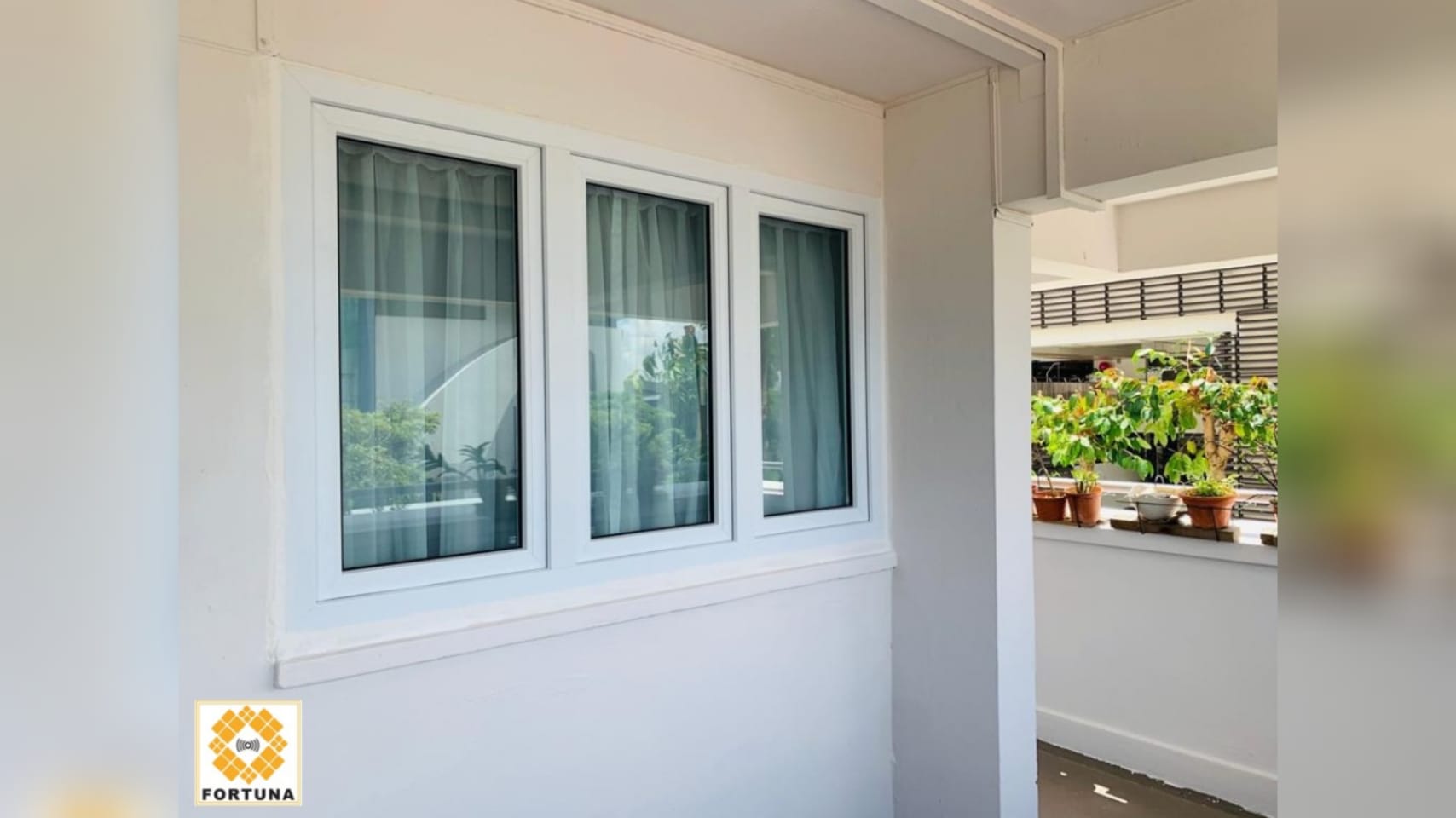
How to Choose Soundproof Windows for an HDB Flat in Singapore
Living in an HDB flat is convenient, but outside noise can sometimes affect your comfort at home. Traffic, MRT trains, construction work and daily neighbourhood sounds can enter through windows and disturb your rest.
Closing the windows may help, but it may not block enough noise. If you want a quieter home, installing suitable soundproof windows may be worth considering.
However, not all windows offer the same level of noise reduction. The glass, frame, seals and installation all play a part. Before choosing new windows, it helps to understand what to look for.
Why Is Outside Noise Still Entering Your HDB Flat?
Some HDB flats face busy roads, schools or construction sites. These homes may be exposed to more noise than flats in quieter areas.
The condition of your windows also matters. Older windows may have worn seals, loose parts or small gaps around the frames. These gaps can let outside noise enter more easily.
In some cases, sound may also pass through walls, doors, ceilings or ventilation openings. This is why you should first find out where the noise is coming from before choosing a solution.
How Do Soundproof Windows Reduce Noise?
Soundproof windows are made to reduce the amount of outside noise that enters a room. Their performance depends on more than the thickness of the glass.
Three key parts to consider are the window frame, glass and seals.
1. Choose a Suitable Window Frame
The frame holds the glass in place and helps seal the window. A well-made frame can help reduce the amount of sound that passes through the window system.
An uPVC window is one option to consider. uPVC stands for unplasticised polyvinyl chloride. It is a strong material used for window and door frames.
uPVC frames are also resistant to corrosion, making them suitable for Singapore’s warm and humid climate. However, the frame material alone does not decide how much noise a window can block.
When comparing window frames, check the design, seals, fittings and quality of installation as well.
2. Compare the Types of Glass
The type of glass can affect how much noise enters your home. The right choice depends on the kind of noise you want to reduce.
Double glazed windows use two panes of glass with a space between them. This can help reduce sound and heat transfer, but the results vary from one window system to another.
Laminated glass is another option. It has a layer between the glass panes and can be used in windows designed for better noise control.
Do not assume that every double glazed window will block the same amount of noise. Ask about the glass thickness, the space between the panes and any available sound test results.
3. Check the Seals and Installation
Even good glass may not work well if the window has gaps around the edges.
Proper seals help stop sound from passing through small openings. The window should also close firmly, with fittings that keep it in place.
This is why the full window system matters. The frame, glass, seals and installation must work together to reduce noise.
Are Double Glazed Windows Good for Noise Reduction?
Double glazed windows are a common choice for homeowners who want better sound insulation. The two panes of glass and the space between them can help reduce noise, but the level of improvement depends on the design.
Different types of noise may also need different solutions. For example, the low rumble of heavy vehicles may be harder to reduce than some higher-pitched sounds.
Before choosing double glazed windows, ask about:
- The thickness and type of each glass pane
- The space between the panes
- The design of the frame and seals
- Sound test results for the complete window system
- Whether the stated results apply to the glass alone or the full window
These details can help you compare different products and choose a window that suits your needs.
Why Consider uPVC Windows in Singapore?
Singapore’s hot and humid weather makes it important to choose window materials that can handle local conditions.
uPVC windows are resistant to corrosion and are easy to maintain. When paired with suitable glass and good seals, they can also help reduce outside noise and heat transfer.
However, not every uPVC window offers the same results. The frame design, glass type, fittings and installation all affect its performance.
You should also consider how the window opens. Casement windows and sliding windows have different designs and sealing methods. The best choice depends on your home, the space available and your noise concerns.
Do You Need a Soundproof Door Too?
Windows may not be the only way noise enters your home. Sound can also pass through the main entrance door, balcony doors or gaps between rooms.
A soundproof door may help if noise comes through a door or from another part of the home. Its performance depends on the door material, frame, seals and gaps around the edges.
For example, changing a bedroom window may not solve the problem if most of the noise comes through the bedroom door. In the same way, replacing the main entrance door may have little effect if road noise mainly enters through the windows.
Finding the main source of the noise can help you decide which areas need attention.
What to Know Before Replacing HDB Windows
Before replacing windows in an HDB flat, check the current HDB rules and approval requirements. Window replacement must meet the relevant safety and installation requirements.
Do not assume that an existing window can be replaced with any design. The type of window and the way it is installed may be subject to specific rules.
It is also useful to arrange a site assessment before making a decision. This can help identify whether the noise comes mainly through the windows, doors or other parts of the home.
For condominiums and landed homes, check any building management rules and other requirements that may apply.
How to Choose the Right Soundproof Windows
The best window for your home depends on the noise level, the type of building and your needs. Before making a choice, consider these questions:
- Where does the noise seem to enter your home?
- Is the noise constant or does it happen at certain times?
- Would a different type of glass help?
- Does your current window close tightly?
- Are sound test results available for the full window system?
- What rules or approvals apply to your property?
Taking time to compare these points can help you avoid spending money on a solution that does not address the main problem.
If you are looking for soundproof windows in Singapore, compare the glass, frame, seals and installation as a complete system. Choosing based on one feature alone may not give you the results you expect.
Explore Soundproof Window and Door Solutions with Fortuna
Every home has different needs. The right solution depends on the source of the noise and the type of windows or doors already installed.
Fortuna Soundproof Windows offers window and door solutions for homes, including uPVC window systems and different glass options. Homeowners can explore the available choices and discuss their needs before deciding on an upgrade.
If outside noise is affecting your comfort at home, contact Fortuna to learn more about soundproof window and door solutions for your property.